


What is EPS foam?
EPS foam, also known as Expanded Polystyrene foam, is a lightweight and rigid insulation material with excellent thermal properties, moisture resistance, and buoyancy. It is widely used in construction, packaging, disposable food containers, art, and flotation devices. While EPS foam is not biodegradable, recycling programs and sustainability initiatives are being implemented to address its environmental impact.
Description
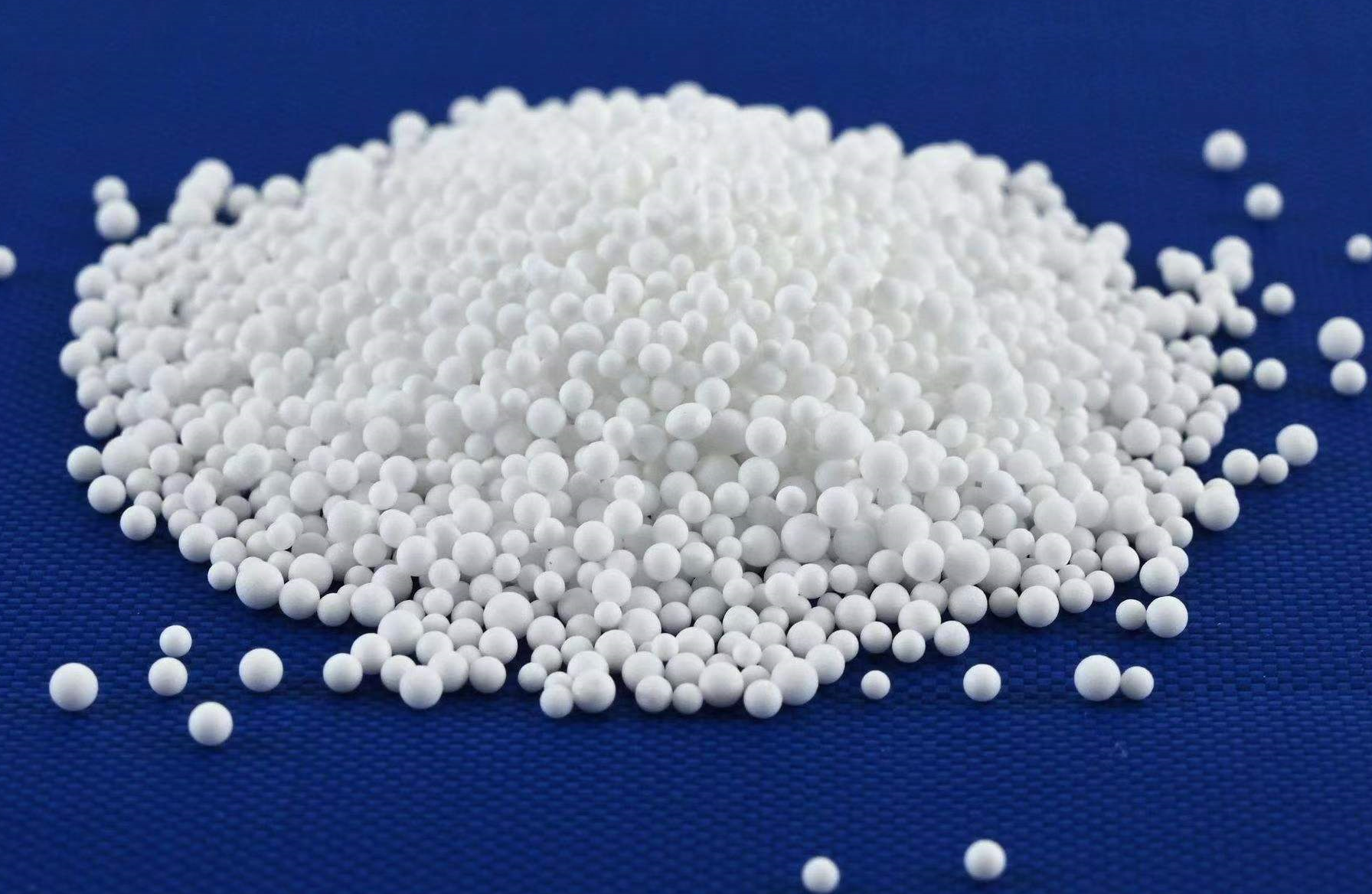
EPS foam, or Expanded Polystyrene foam, is a lightweight, rigid, plastic foam insulation material produced from solid beads of polystyrene. The process of creating EPS foam involves expanding the polystyrene beads with steam, causing them to inflate and fuse together in a mold, forming blocks or shapes. This material is known for its excellent insulation properties, shock absorption, and buoyancy, making it a popular choice in various applications across different industries.
Properties of EPS Foam
- Lightweight: EPS is composed of up to 98% air, making it extremely light.
- Insulation: Offers superior thermal insulation properties due to the low thermal conductivity of trapped air within its cells.
- Moisture Resistance: Although EPS is permeable by water vapor, it does not readily absorb water; thus, its thermal and physical properties remain relatively unchanged in damp conditions.
- Compression Strength: Has a high compressive strength relative to its weight, allowing it to withstand loads and stresses when used as insulation or packaging material.
- Chemical Resistance: Resistant to most acids, alkalis, and solvents.
- Environmental Impact: EPS is recyclable, and efforts are ongoing to improve recycling rates and reduce the environmental footprint associated with its production and disposal.
Applications of EPS Foam
- Building and Construction: Used as insulation for walls, roofs, and floors in residential and commercial buildings due to its thermal efficiency and moisture resistance.
- Packaging: Widely used to protect goods during shipping because of its excellent cushioning properties and lightweight. It’s particularly common in packaging for fragile items, electronics, and perishable goods like food and pharmaceuticals.
- Disposable Food Containers: EPS is used to make cups, plates, and takeout containers because it is lightweight, has good thermal insulation, and is inexpensive.
- Art and Decor: EPS can be easily cut and shaped into various artistic designs and is often used in movie sets, theater productions, and decorations.
- Flotation and Buoyancy: Its buoyant properties make EPS an ideal material for life vests, floats, and buoys.
Environmental Considerations
While EPS foam offers many benefits, it also poses environmental challenges. EPS is not biodegradable, and improper disposal can lead to pollution, as it can break down into small particles that are difficult to clean up and harmful to wildlife. However, recycling programs and initiatives to find alternative, more sustainable materials are underway to address these concerns.
EPS foam is a versatile material with a wide range of applications, valued for its insulation properties, lightweight, and shock-absorbing capabilities. Despite its environmental challenges, ongoing efforts in recycling and sustainability aim to mitigate the impact of EPS foam on the environment, making it a continued choice for many industries.
Photo


Leave a Message


