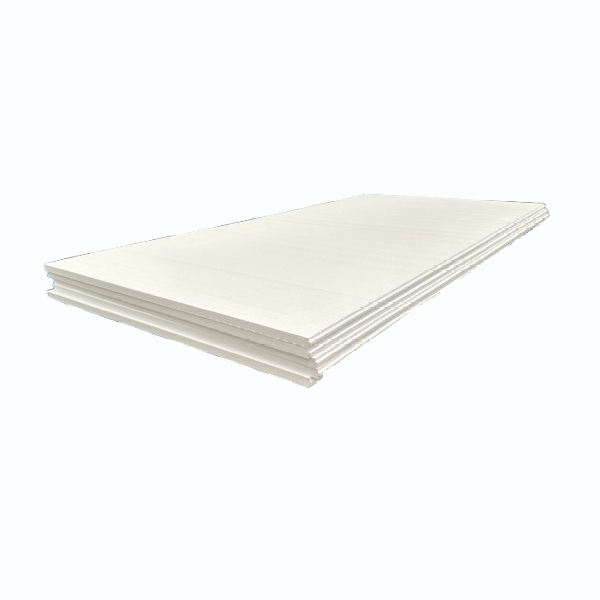
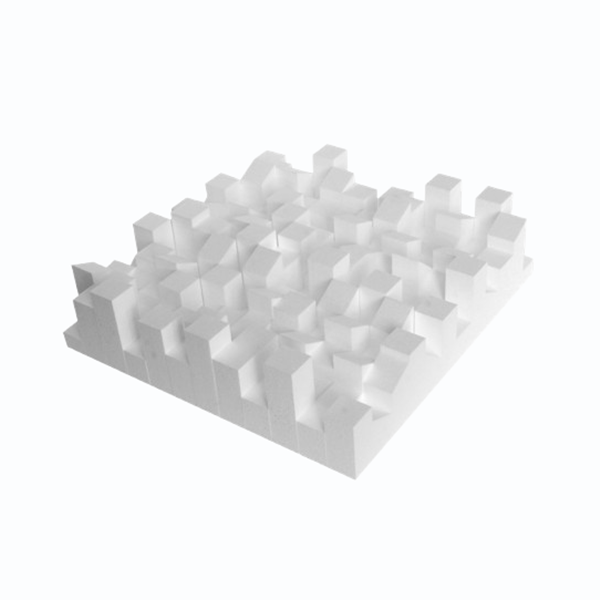
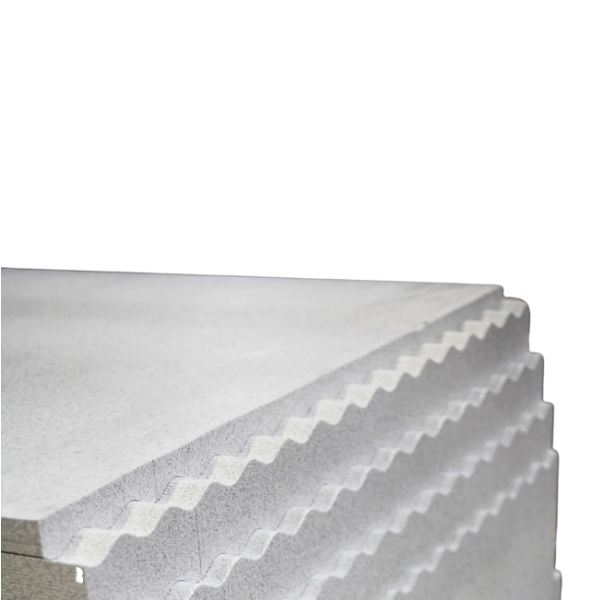
Underfloor heating polystyrene insulation
Underfloor heating polystyrene insulation, specifically Expanded Polystyrene (EPS) and Extruded Polystyrene (XPS), improves the efficiency of underfloor heating systems by minimizing heat loss. It is characterized by its thermal efficiency, moisture resistance, durability, ease of installation, and cost-effectiveness. Proper installation requires a clean, dry, and level subfloor, and the insulation panels should be laid out to ensure complete coverage. The use of polystyrene insulation contributes to reduced energy consumption and both EPS and XPS are recyclable, minimizing environmental impact.
Suit for EPS machine
Description
Underfloor heating polystyrene insulation refers to the use of polystyrene, specifically Expanded Polystyrene (EPS) and Extruded Polystyrene (XPS), as an insulating layer beneath underfloor heating systems. This type of insulation is designed to optimize the efficiency of underfloor heating by minimizing heat loss to the substrate below, ensuring that more heat is directed upwards into the room. The effectiveness of underfloor heating systems, whether hydronic (water-based) or electric, is significantly enhanced with proper insulation, making polystyrene insulation a popular choice in both residential and commercial settings.
Key Characteristics of Polystyrene Insulation
- Thermal Efficiency: Polystyrene materials have excellent thermal insulation properties, which help to retain heat within the room, improving the overall energy efficiency of underfloor heating systems.
- Moisture Resistance: XPS offers superior moisture resistance compared to EPS, making it particularly suitable for areas prone to dampness. However, both types are used effectively in underfloor heating applications.
- Durability: Polystyrene insulation is resistant to decay and degradation over time, ensuring long-term performance without significant loss of insulating properties.
- Lightweight and Easy to Install: Both EPS and XPS are lightweight and easy to cut and shape on-site, facilitating quick and easy installation. This reduces labor time and costs associated with the installation of underfloor heating systems.
- Cost-Effective: Compared to other insulation materials, polystyrene offers a cost-effective solution for underfloor heating insulation, providing excellent value for its insulating performance.
Installation Considerations
- Subfloor Preparation: Before installing polystyrene insulation, the subfloor must be clean, dry, and level. Any issues with the subfloor should be addressed to ensure a stable base for the insulation and heating system.
- Insulation Layout: Polystyrene insulation panels should be laid out according to the specific requirements of the underfloor heating system, ensuring complete coverage of the area to be heated. For hydronic systems, panels with pre-formed channels may be used to hold the heating pipes in place.
- Heating System Installation: Once the insulation is in place, the underfloor heating elements (pipes or cables) can be installed. For electric systems, heating mats or cables are laid directly on top of the insulation layer.
- Final Flooring Application: After the heating system is installed and tested, the final flooring material can be applied. It’s important to choose flooring materials that are compatible with underfloor heating.
Environmental Impact
While polystyrene is derived from petroleum, the use of polystyrene insulation in underfloor heating systems contributes to the overall reduction of energy consumption by improving the system’s efficiency. Both EPS and XPS are recyclable, and the construction industry is increasingly focusing on recycling and responsible disposal methods to minimize the environmental impact of these materials.
Underfloor heating polystyrene insulation is an effective and efficient way to enhance the performance of underfloor heating systems. By providing excellent thermal insulation, reducing heat loss, and ensuring that heat is distributed evenly across the floor, polystyrene insulation helps to create a comfortable indoor environment while optimizing energy usage. Its ease of installation, durability, and cost-effectiveness make it a preferred choice for many construction and renovation projects aiming for improved heating efficiency and sustainability.
Photo


Package

Leave a Message