Underfloor heating floor
EPS underfloor heating floor systems combine the insulation properties of EPS foam with underfloor heating, providing an efficient, evenly distributed heating system suitable for various types of flooring. The system offers energy efficiency, uniform heat distribution, quick response time, versatility, and ease of installation. However, considerations include subfloor preparation, insulation thickness, heating element installation, and flooring compatibility. Despite being derived from petroleum, EPS contributes to energy savings and is recyclable, making it a sustainable choice. Safety standards, including fire retardants and local building codes, must be adhered to during installation.
Suit for EPS machine
Description
An EPS (Expanded Polystyrene) underfloor heating floor system integrates the high insulation properties of EPS foam with the warmth and comfort of underfloor heating. This combination creates an efficient, evenly distributed heating system that is increasingly popular in both residential and commercial buildings. The system is designed to work with various types of flooring, including tile, hardwood, laminate, and carpet, making it a versatile option for new constructions and renovations alike.
How It Works
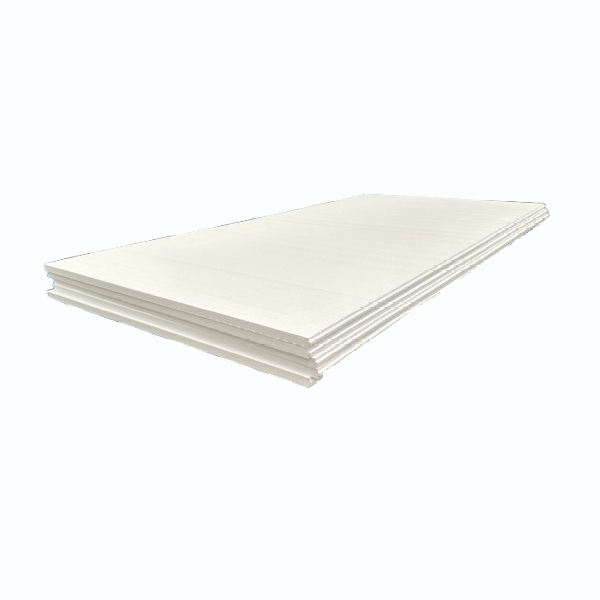
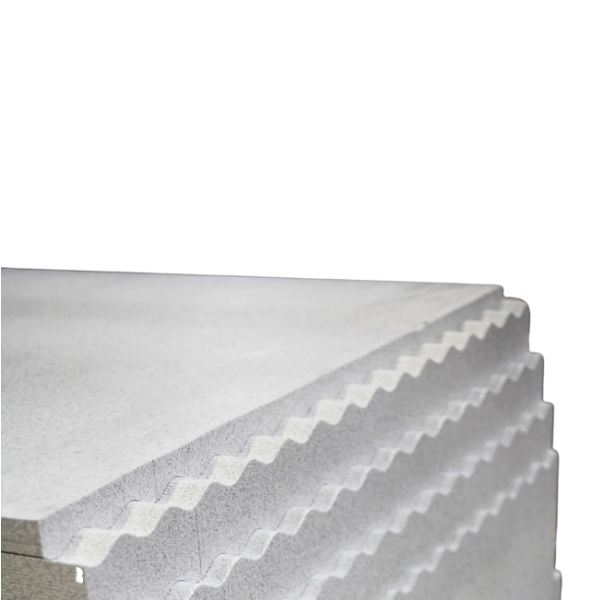
The EPS underfloor heating system typically consists of EPS insulation panels that are laid across the subfloor. These panels often have pre-formed channels or grooves to accommodate heating pipes (for hydronic systems) or cables (for electric systems). Once the heating elements are in place, the floor finish is applied over the top. The EPS panels not only provide a stable base for the heating elements but also ensure that heat is directed upwards into the room, enhancing the system’s efficiency by minimizing heat loss downwards.
Key Benefits
- Energy Efficiency: EPS foam has excellent thermal insulation properties, reducing heat loss and ensuring that more of the heat produced by the system warms the room above, leading to lower energy usage and costs.
- Uniform Heat Distribution: The layout of the heating elements within the EPS panels allows for even distribution of heat across the floor surface, eliminating cold spots and creating a comfortable living environment.
- Quick Response Time: The insulation properties of EPS combined with the direct heating system mean that the room can heat up quickly when the system is turned on.
- Versatility: EPS underfloor heating systems can be installed under a wide range of flooring types, offering flexibility in design and use across different types of projects.
- Ease of Installation: The lightweight nature of EPS panels and their design, often featuring interlocking edges or pre-formed channels, simplifies the installation process, making it faster and reducing labor costs.
Installation Considerations
- Subfloor Preparation: The subfloor must be clean, level, and dry before installing the EPS panels to ensure a stable base for the heating system.
- Insulation Thickness: The thickness of the EPS panels should be chosen based on the insulation requirements of the building and the specific heating needs of the space.
- Heating Element Installation: Care must be taken to install the heating pipes or cables evenly within the pre-formed channels of the EPS panels to ensure an even heat distribution.
- Flooring Compatibility: The final flooring material must be compatible with underfloor heating, as some materials conduct and retain heat better than others.
Environmental and Safety Aspects
- Sustainability: While EPS is derived from petroleum, its use in underfloor heating systems contributes to significant energy savings over the life of the building. Additionally, EPS is recyclable, and choosing recycled EPS products can further reduce the environmental impact.
- Safety: Modern EPS materials used in construction are treated with fire retardants to meet safety standards. However, it’s important to ensure that the entire underfloor heating system, including electrical or hydronic components, is installed under local building codes and standards.
EPS underfloor heating floors offer an effective and efficient way to heat spaces, combining the comfort of underfloor heating with the insulation benefits of EPS. This system not only provides a comfortable and even heat distribution but also contributes to the energy efficiency of buildings, making it a smart choice for those looking to combine comfort with sustainability in their construction or renovation projects.
Photo


Leave a Message