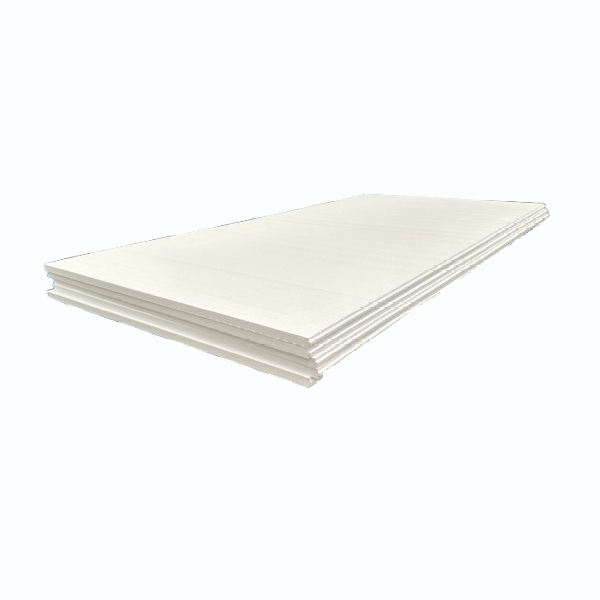

Underfloor heating floor panels
Underfloor heating floor panels, crucial for the efficiency of underfloor heating systems, provide even heat distribution, thermal insulation, and compatibility with various flooring types. Two types exist: Hydronic panels for water-based systems and electric panels for systems using cables or mats. Made from materials like EPS, XPS, polyurethane foam, or plywood, these panels offer easy installation and moisture resistance. The choice of material can impact the system’s environmental footprint, with options like EPS and XPS being petroleum-based but recyclable.
Suit for EPS machine
Description
Underfloor heating floor panels are a key component in modern underfloor heating systems, designed to provide efficient and even distribution of heat throughout a room. These panels not only serve as a medium for installing heating elements, such as pipes for hydronic systems or cables for electric systems but also significantly enhance the thermal insulation of the floor. The use of these panels in construction and renovation projects has grown in popularity due to their ability to offer a comfortable indoor climate, energy efficiency, and compatibility with various types of flooring.
Types of Underfloor Heating Floor Panels
There are primarily two types of underfloor heating systems, each requiring different types of floor panels:
- Hydronic (Water) Underfloor Heating Panels: These panels are designed to accommodate the pipes of a water-based heating system. They often come with pre-formed channels or grooves where the pipes can be laid out in a specific pattern to ensure optimal heat distribution.
- Electric Underfloor Heating Panels: These are used with electric heating cables or mats. Some electric heating panels are designed with a conductive layer to improve the efficiency of heat distribution from the cables.
Construction and Composition
- Material: Underfloor heating panels are commonly made from materials like Expanded Polystyrene (EPS), Extruded Polystyrene (XPS), polyurethane foam, or plywood, each offering different levels of thermal insulation and structural support.
- Design: Many panels feature a modular or interlocking design, facilitating easy installation. The surface of these panels may include a grid or pattern to guide the placement of heating elements and ensure even spacing.
Key Features of Underfloor Heating Floor Panels
- Thermal Insulation: These panels provide excellent insulation, reducing heat loss to the subfloor and directing warmth upward into the living space.
- Ease of Installation: Pre-formed channels and modular designs allow for quick and straightforward installation of heating elements.
- Moisture Resistance: Materials like EPS and XPS are resistant to moisture, making them suitable for use in areas with high humidity levels or direct contact with concrete subfloors.
- Compatibility: Underfloor heating panels can be used under various types of final flooring materials, including tile, hardwood, laminate, and carpet.
- Energy Efficiency: By improving the insulation of the floor and ensuring even heat distribution, these panels can significantly enhance the energy efficiency of underfloor heating systems.
Installation Process
- Preparation: The subfloor must be prepared to ensure it is clean, level, and dry.
- Layout: Panels are laid out according to the room’s dimensions and the heating system’s design, ensuring that the entire floor area is covered.
- Installation of Heating Elements: For hydronic systems, pipes are laid into the grooves of the panels. For electric systems, heating cables or mats are placed on top of or within the panels.
- Connection: Heating elements are connected to the power supply and control systems.
- Final Flooring: Once the heating elements are in place and tested, the final flooring material is installed over the panels.
Environmental Considerations
The choice of material for underfloor heating panels can impact the system’s overall environmental footprint. EPS and XPS, for example, are petroleum-based but offer high insulation values and are recyclable. Choosing panels made from sustainable materials or with high recycled content can further enhance the eco-friendliness of an underfloor heating system.
Underfloor heating floor panels play a crucial role in the efficiency and effectiveness of underfloor heating systems, offering benefits such as improved thermal insulation, ease of installation, and compatibility with various flooring types. By selecting the appropriate type of panel and material for a specific project, builders and homeowners can enjoy the comfort and energy savings provided by underfloor heating.
Photo

Leave a Message