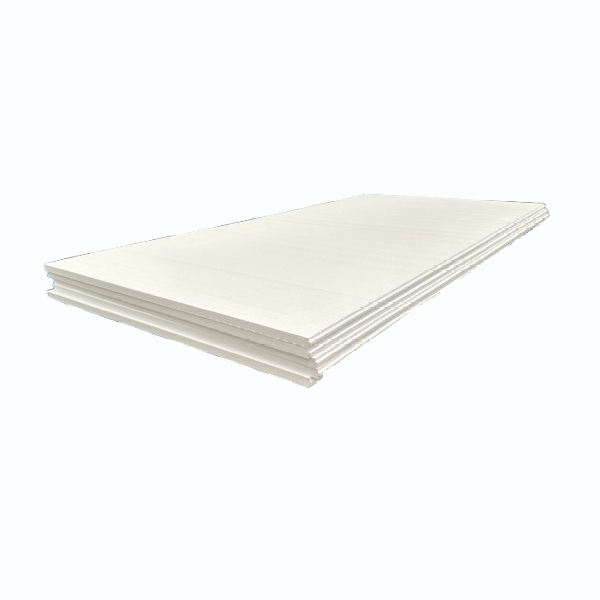
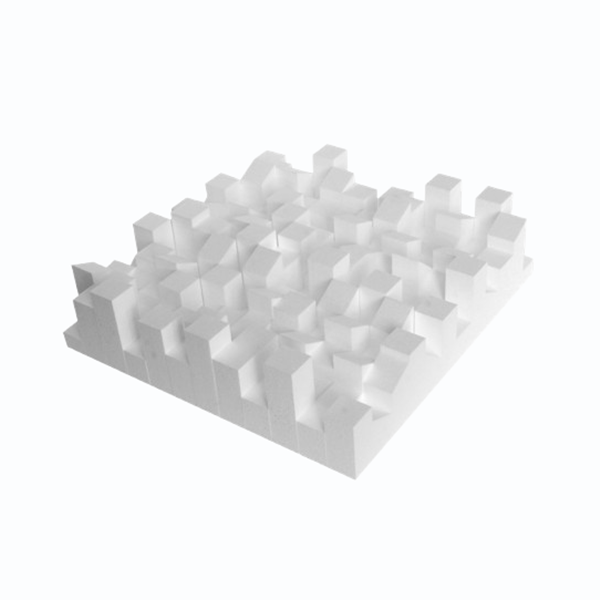
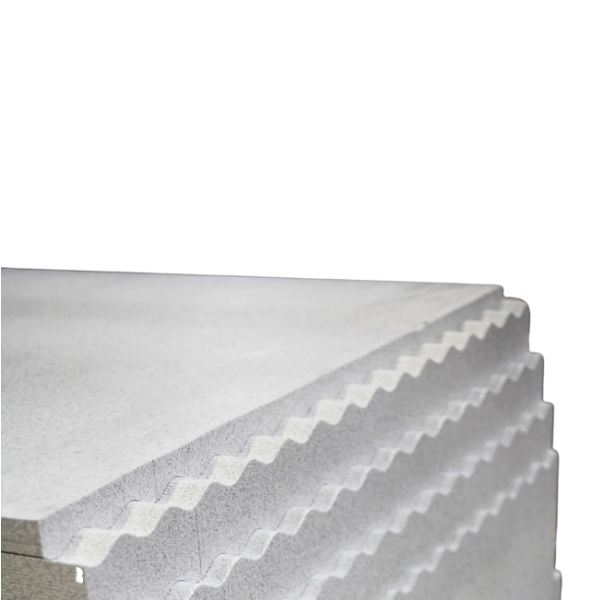
Styrofoam pontoons
Styrofoam pontoons, made from expanded polystyrene (EPS), are used in constructing floating docks, rafts, and platforms due to their buoyancy, durability, light weight, cost-effectiveness, and customizability. They are used in various applications including private and commercial docks, recreational rafts, aquaculture, and waterfront development. However, they need to be encased in a protective shell for longevity and to minimize environmental impact. Local regulations and permits may also apply to their use.
Suit for EPS machine
Description
Styrofoam pontoons utilize the buoyant and durable properties of expanded polystyrene (EPS), commonly referred to as Styrofoam, a trademarked brand of closed-cell extruded polystyrene foam. These pontoons are widely used in the construction of floating docks, rafts, and custom floating platforms due to their excellent buoyancy, cost-effectiveness, and ease of customization. Styrofoam pontoons offer a reliable and lightweight solution for various aquatic applications, from small personal projects to larger commercial marinas.
Key Features of Styrofoam Pontoons
- Buoyancy: EPS foam is inherently buoyant, capable of supporting large weights on the water. This makes it an ideal material for pontoons, as it can keep docks, rafts, and platforms afloat even under significant load.
- Durability: When properly encased to protect against physical damage and UV exposure, Styrofoam pontoons can last for many years. EPS is resistant to water absorption, preventing the pontoons from waterlogging and losing buoyancy over time.
- Lightweight: EPS foam is very light, making Styrofoam pontoons easy to transport and assemble. This lightweight nature also reduces the stress on anchoring systems and connecting structures.
- Cost-Effective: Compared to traditional materials like wood or metal, Styrofoam is relatively inexpensive and readily available, making it a cost-efficient option for floating structure construction.
- Customizable: EPS can be easily cut and shaped into various sizes and forms to meet specific design requirements, allowing for a high degree of customization in pontoon construction.
Applications
Styrofoam pontoons are used in a variety of floating structures, including:
- Floating Docks: Ideal for private and commercial use, providing stable platforms for boats, jet skis, and kayaks.
- Rafts: Used in the construction of recreational rafts for swimming, fishing, or lounging on lakes and ponds.
- Aquaculture: Supports floating cages and platforms for fish farming and other aquaculture practices.
- Waterfront Development: Can be used to create floating walkways, restaurant terraces, or performance stages for waterfront entertainment areas.
Construction Considerations
- Protection: To ensure longevity, Styrofoam pontoons are often encased in a protective shell made of marine-grade materials, such as polyethylene or fiberglass, to shield them from impacts, abrasions, and UV degradation.
- Environmental Impact: While EPS is durable and cost-effective, it is a petroleum-based product that can be harmful to marine environments if not properly contained. Ensuring that Styrofoam pontoons are fully encapsulated and responsibly disposed of at the end of their life cycle is crucial to minimize environmental impact.
- Regulations and Permits: Depending on the location, constructing floating structures with Styrofoam pontoons may require permits and adherence to environmental regulations. It’s important to check local guidelines before starting a project.
Styrofoam pontoons provide a versatile, buoyant, and cost-effective solution for creating a variety of floating structures. Their ease of use, combined with the ability to withstand the aquatic environment for extended periods, makes them a popular choice for both recreational and commercial applications. By taking proper precautions to protect the pontoons and the environment, builders and enthusiasts can leverage the benefits of Styrofoam to create durable and reliable floating platforms.
Photo


Leave a Message