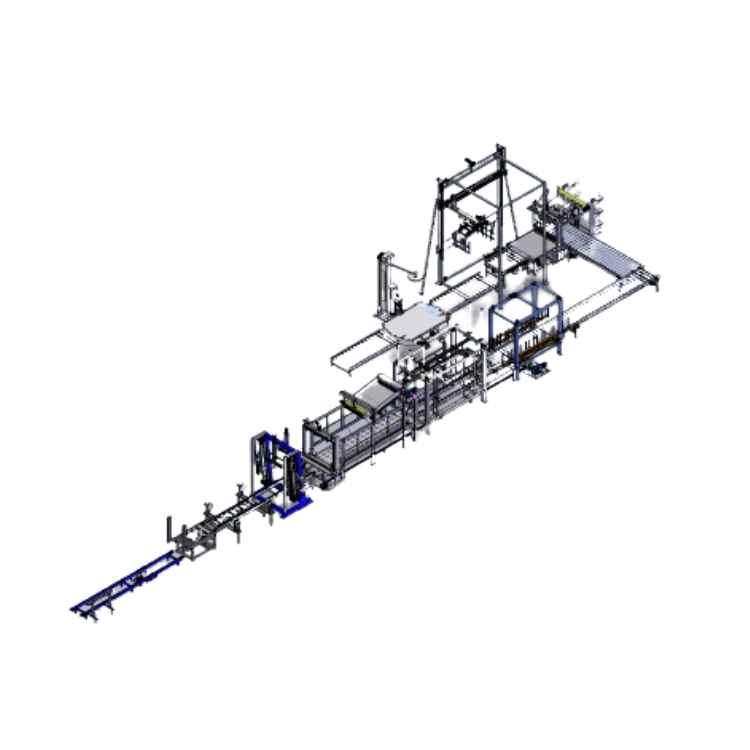
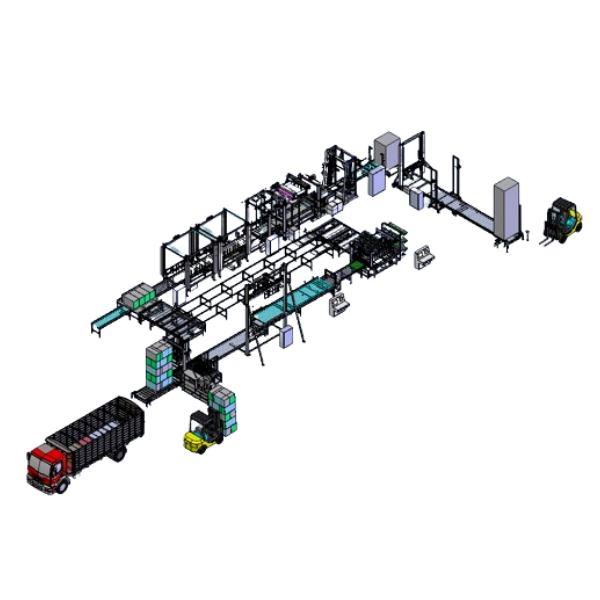
Single screw EPS granulator machine
A single screw water ring EPS granulation line is a crucial equipment in the recycling process of EPS foam, converting it into reusable granules. The machinery, consisting of a feed system, single screw extruder, water ring die-face cutter, water slurry system, dewatering system, drying system, and a pelletizing and packaging system, plays a significant role in reducing EPS waste and promoting sustainability. The granules produced can be used in various applications, including new EPS products, plastic lumber, and other plastic molding processes, thus supporting circular economic practices.
Suit for EPS machine
Description
A single screw water ring EPS (Expanded Polystyrene) granulation line is a specialized type of equipment used in the recycling process of EPS foam to convert it into reusable granules. This machinery is essential for reducing EPS waste, transforming it into a form that can be further processed into new products, thus promoting sustainability and reducing environmental impact.
Components and Functionality of a Single Screw Water Ring EPS Granulation Line
- Feed System: This component introduces the waste EPS material into the granulation line. It often includes a conveyor belt or hopper system that feeds the EPS foam into the single-screw extruder at a consistent rate.
- Single Screw Extruder: The heart of the granulation line, the single screw extruder, melts and homogenizes the EPS foam. The screw’s design is crucial as it needs to apply the right amount of heat and pressure to compress and melt the EPS without degrading the material.
- Water Ring Die-Face Cutter: As the molten EPS is extruded through the die at the end of the extruder, it is immediately cut into granules by a high-speed water ring die-face cutting system. This system uses a water ring around the extrusion die to instantly cool and solidify the granules.
- Water Slurry System: Following cutting, the granules are carried in a water slurry to separate them from one another and further cool them down, ensuring they solidify properly without sticking together.
- Dewatering System: After cooling, the granules pass through a dewatering system where excess water is removed, typically using a vibrating screen or centrifuge.
- Drying System: The granules need to be thoroughly dried to remove any remaining moisture. This is usually achieved through a combination of air drying and heating systems.
- Pelletizing and Packaging: Finally, the dried granules are often further processed in a pelletizer, where they are cut into uniform sizes and then packaged for storage or shipment.
Benefits of Using a Single Screw Water Ring EPS Granulation Line
- Waste Reduction: This equipment plays a critical role in recycling EPS waste, significantly reducing the volume of waste sent to landfills.
- Cost Efficiency: By converting waste into reusable granules, manufacturers can reduce raw material costs by using recycled EPS in the production of new products.
- Environmental Impact: Recycling EPS reduces the environmental footprint associated with the production and disposal of EPS products.
- Versatility: The granules produced can be used in a variety of applications, including the production of new EPS products, plastic lumber, and as an additive in other plastic molding processes.
- Improved Productivity: The automation and continuous operation of the granulation line enhance productivity and efficiency in EPS recycling operations.
Applications
- EPS Recycling Facilities: Used to process EPS waste collected from various sources, including packaging and construction debris.
- Plastic Manufacturing: Facilities that produce plastic products can use recycled EPS granules as a raw material, integrating sustainability into their production processes.
- Construction Materials: Recycled EPS granules can be used in the manufacture of lightweight construction materials.
A single screw water ring EPS granulation line is a vital component in the recycling process of EPS foam, providing an efficient and sustainable method to handle EPS waste and turn it into valuable recycled granules. This technology not only helps in waste management but also supports circular economic practices by reintroducing recycled materials into the production cycle.
Drawings


Video
Leave a Message