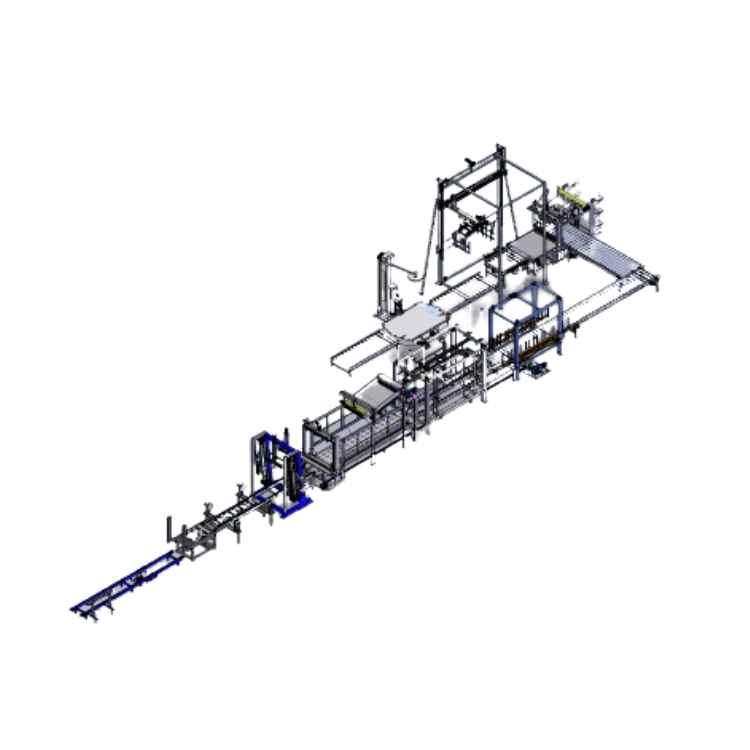
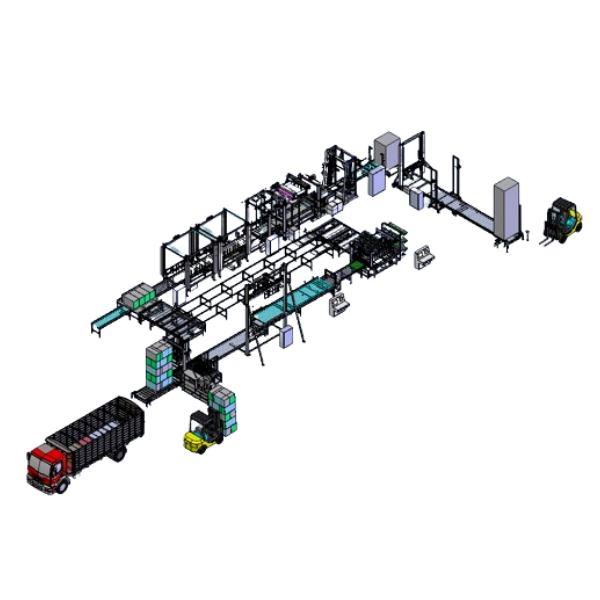
Rock wool laminating machine
In the construction and manufacturing world, efficiency and precision in production are paramount. One machine that stands as a cornerstone in the field of insulation materials production is the rock wool laminating machine. This sophisticated equipment is crucial for creating layered insulation panels, which are essential in various construction and industrial applications.
Suit for EPS machine
Key Functions of Rock Wool Laminating Machine
| Function | Description |
|---|---|
| Material Feeding | Automatically feeds base materials (like metal sheets) into the machine. |
| Gluing System | Applies adhesive to the rock wool or base layer. |
| Laminating System | Bonds the rock wool with the outer layers under controlled pressure and temperature. |
| Cutting and Trimming | Cuts and trims the laminated panels to desired dimensions. |
| Quality Control and Inspection | Automatically checks the quality of each panel produced. |
Technical Specifications of Rock Wool Laminating Machine
| Specification | Details |
|---|---|
| Operational Speed | Up to 15 meters per minute |
| Maximum Panel Width | 1200 mm |
| Panel Thickness Range | 50 mm to 200 mm |
| Power Requirement | Approximately 30 kW |
| Dimensions (L × W × H) | 40 m × 3 m × 2.5 m (varies by model) |
| Control System | PLC (Programmable Logic Controller) |
Product Description
Benefits
The rock wool laminating machine offers several advantages:
- Increased Production Speed: Automates the process of creating insulated panels, significantly boosting output.
- High Precision: Ensures that the dimensions and thickness of the panels are consistent, leading to higher quality products.
- Energy Efficiency: Panels produced are effective in energy conservation, reducing heating and cooling costs in buildings.
- Customizability: Allows for the production of panels in various sizes and with different materials based on specific project requirements.
Limitations
Despite its benefits, the rock wool laminating machine has some limitations:
- High Initial Investment: The upfront cost can be significant, although this is often offset by the long-term savings and efficiency gains.
- Maintenance Requirements: Regular maintenance is necessary to keep the machine running efficiently and to prevent downtime.
- Technical Skill Required: Operators need specific training to effectively manage the machine’s functions and troubleshoot issues.
- Routine Checks: Regularly inspect roller bearings, conveyor belts, and cutting blades for wear and tear.
- Lubrication: Ensure moving parts are adequately lubricated to reduce friction and prevent breakdowns.
- Cleanliness: Keep the machine free from dust and debris, especially in the adhesive and cutting areas, to maintain optimal functioning.
- Professional Installation: Always have the machine installed by a professional to ensure it meets operational standards.
Typical Applications
Rock wool laminating machines are extensively used in:
- Building and Construction: For producing roof and wall panels that provide exceptional thermal and sound insulation.
- HVAC Systems: In fabricating ductwork panels that improve energy efficiency.
- Refrigerated Warehouses: To create panels that maintain low temperatures efficiently.
Output and Its Reuse
The output of a rock wool laminating machine includes insulated panels that are recyclable at the end of their life cycle. The rock wool can often be separated and reused, making this a sustainable option for modern construction needs.
Photo


video:
Leave a Message