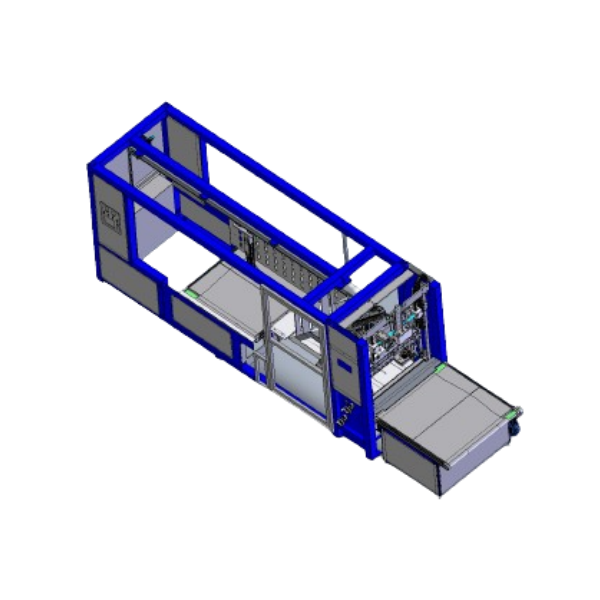
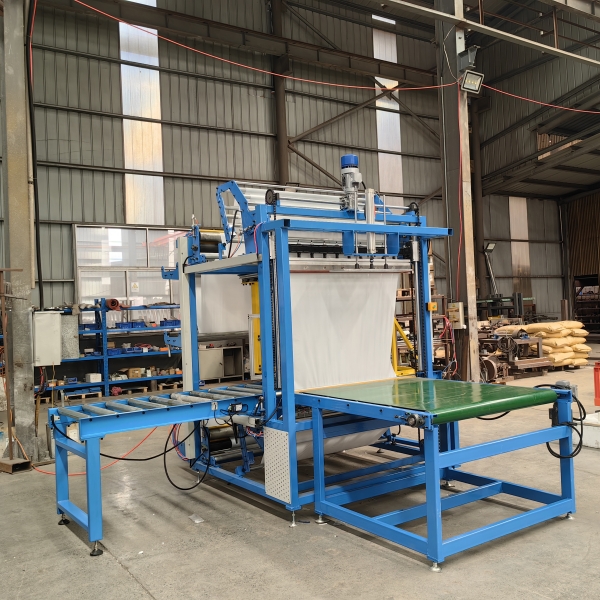
EPS packages coordinate stacking machine
EPS package coordinate stacking machine, or EPS Palletizer, is a system designed for arranging and stacking EPS packaging materials for optimal space efficiency, stability, and accessibility. Key principles include space optimization, stability and safety, and accessibility. Techniques include uniformity in size, grid systems, vertical and horizontal alignment, use of stacking tools, and advanced planning software. This practice is essential in logistics and warehousing, with applications in warehousing, transportation, and retail.
Suit for EPS machine
Feature
- 90-degree Rotatable
- Width: 1000mm
- Length: 1000mm
- Max height: 3000mm
- 2 packages per layer
Description
EPS packages coordinate stacking machine also known as EPS stacking machine or EPS Palletizer, Specially designed for wrapped EPS packages.
EPS (Expanded Polystyrene) package coordinate stacking machine refers to a systematic method of arranging and stacking EPS packaging materials or products in a way that maximizes space efficiency and stability during storage or transportation. This process involves planning and executing the placement of EPS items according to specific coordinates or guidelines, ensuring optimal fit, stability, and accessibility.
Principles of EPS Package Coordinate Stacking
- Space Optimization: The primary goal of coordinate stacking is to utilize available space most efficiently. By carefully arranging the packages according to their dimensions, more items can be stored within a given area, reducing storage and transportation costs.
- Stability and Safety: Proper stacking ensures that the weight is evenly distributed and the stacks are stable. This minimizes the risk of toppling, which can damage the products and pose safety hazards.
- Accessibility: Stacking should also consider the ease of access to the packages. Frequently accessed items should be more accessible, while less frequently needed items can be placed further back or at the bottom of stacks.
Techniques for Effective EPS Package Coordinate Stacking
- Uniformity in Size: Whenever possible, stack items of similar size together. This uniformity helps in creating stable, cube-shaped loads that are easier to handle and store.
- Grid Systems: Implementing a grid system in warehouses or trucks can help in organizing the placement of packages. This system assigns specific slots or areas for packages based on their size and frequency of access.
- Vertical and Horizontal Alignment: Align packages vertically and horizontally to form tight, cohesive blocks. This alignment prevents movement and shifting of packages, which could lead to disarray or damage.
- Use of Stacking Tools: Tools like pallets and shelves can help in maintaining order and structure in the stacking process. Pallets, in particular, make it easier to move stacked items with forklifts or pallet jacks.
- Advanced Planning Software: Utilizing warehouse management software or tools that can assist in planning the layout and stacking strategy can significantly enhance efficiency. These tools often use algorithms to calculate the best stacking arrangements based on package dimensions and weight.
Applications of EPS Package Coordinate Stacking
- Warehousing: In warehousing operations, coordinated stacking helps in maximizing the use of space and maintaining an organized inventory system.
- Transportation: In logistics, careful stacking is crucial for fitting as many items as possible into a cargo space, such as in trucks or shipping containers, while ensuring that the load remains stable during transit.
- Retail: In retail backrooms, coordinate stacking can facilitate faster restocking processes and better management of stock levels.
EPS package coordinate stacking machine is an essential practice in logistics and warehousing that enhances space utilization, improves safety, and optimizes operations. By following structured methods and utilizing appropriate tools, businesses can ensure that their EPS packaging materials are stored and transported effectively.
Photo


Leave a Message