


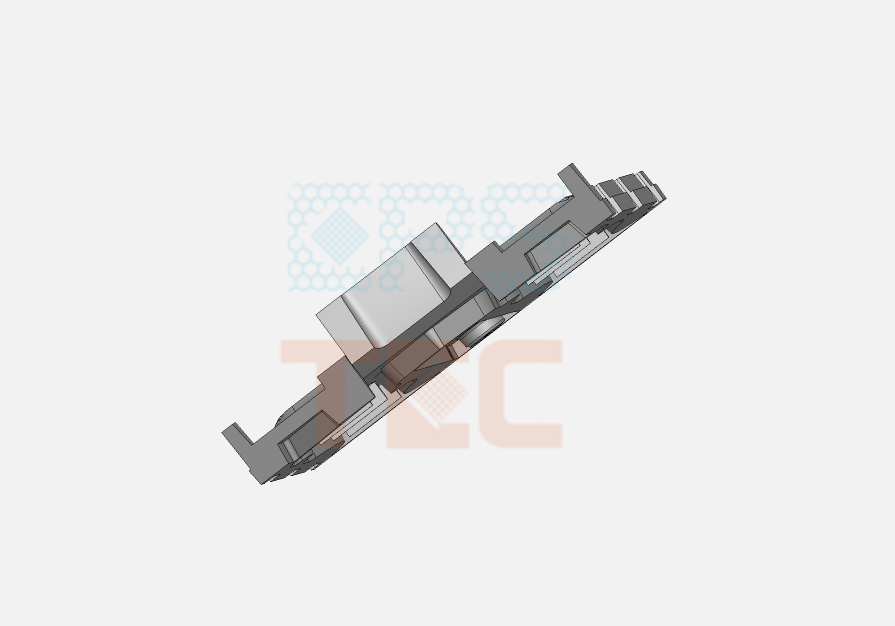
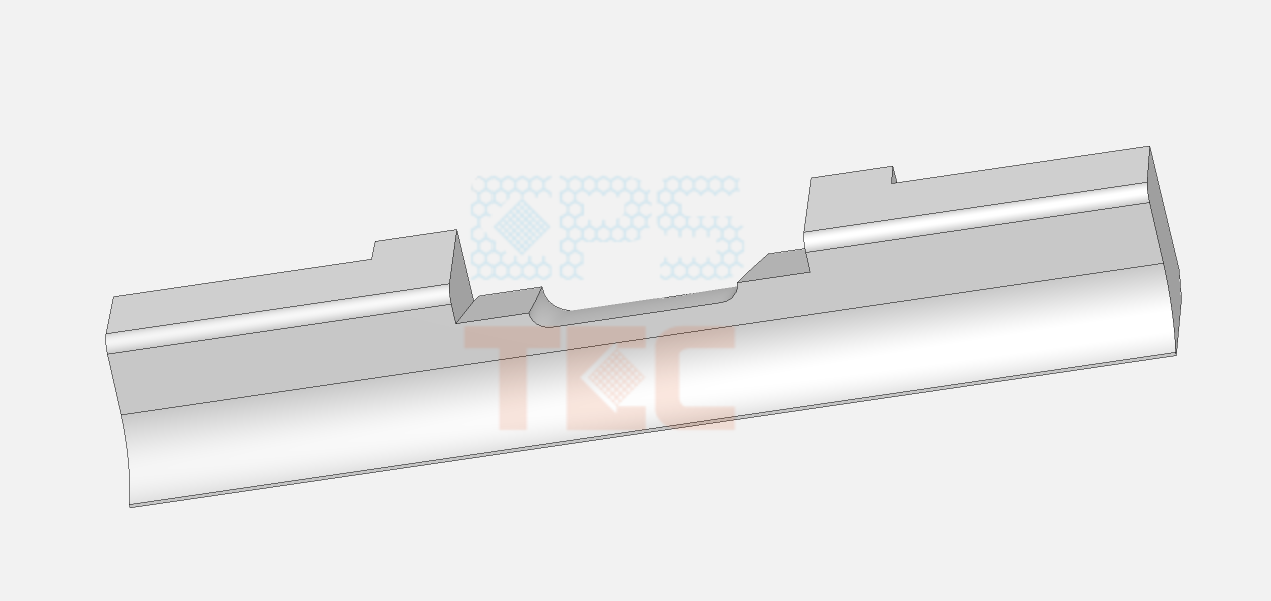
EPS foam structural component mold
EPS foam structural component molds offer significant advantages to industries requiring lightweight yet robust structural components. Despite the initial investment and some material limitations, the benefits in terms of cost-efficiency, quality consistency, and versatility are undeniable. For businesses in the construction, packaging, automotive, or aerospace sectors looking to enhance their production capabilities, investing in high-quality EPS molds could be a strategic move forward. Embracing these advanced tools not only optimizes manufacturing processes but also contributes to sustainability through the recyclability of EPS materials.
Suit for EPS machine
Key Functions
| Function | Description |
|---|---|
| Precision Molding | Ensures components are molded to exact specifications. |
| Temperature Resistance | Can withstand the high temperatures of the EPS foaming process. |
| High Durability | Designed to last through numerous production cycles. |
| Scalability | Adaptable for small-scale prototypes or large-scale production. |
Benefits
The use of EPS foam structural component molds comes with a host of benefits:
- Cost-Effectiveness: Reduces material waste and lowers manufacturing costs due to precise molding.
- High-Quality Production: Ensures consistent quality and dimensions of the EPS components.
- Versatility: Can be used to create complex shapes and sizes that might be challenging with other materials.
- Lightweight End Products: Makes the handling and transportation of the components easy and cost-effective.
- Excellent Insulation Properties: EPS components provide superior thermal and sound insulation.
Limitations
While immensely beneficial, these molds come with certain limitations:
- Material Specificity: They are primarily designed for EPS, limiting their use with other materials.
- Initial Cost: The initial investment in high-quality molds can be significant.
- Wear and Tear: Over time, the molds could degrade if not properly maintained, affecting the quality of the output.
Technical Specifications
| Specification | Detail |
|---|---|
| Material | High-grade aluminum or steel |
| Production Tolerance | ±0.5 mm |
| Temperature Range | Up to 100°C |
| Product Size Capacity | Varies (customizable to client specifications) |
| Durability | Designed for 100,000+ cycles (depending on maintenance and material) |
Maintenance or Installation Tips
- Regular Cleaning: Keep the molds clean from any EPS beads and dust to maintain the quality of the products.
- Routine Inspections: Check for any signs of wear or damage regularly.
- Proper Storage: Store the molds in a dry, cool place to prevent any form of corrosion.
- Follow Manufacturer Guidelines: For installation and maintenance procedures, always refer to the manufacturer’s manual.
Typical Applications
EPS foam structural component molds are essential in various sectors:
- Construction: For producing insulated concrete forms, architectural shapes, and lightweight blocks.
- Packaging: Custom protective packaging for electronics, appliances, and delicate instruments.
- Automotive: Components like door panels, dashboards, and bumper cores.
- Aerospace: Lightweight insulation panels and shock-absorbing structures.
Output and Its Reuse
EPS components manufactured using these molds are 100% recyclable. Here’s a run-through of the lifecycle:
- Manufacturing: EPS beads are expanded and molded into structural components.
- Usage: Employed across various industries as described above.
- Recycling: Used EPS can be ground, reprocessed, and remolded into new products, promoting a sustainable production cycle.
3D Photo


2D Structural Drawing


3D Photo


ratlated EPS foam structural component mold




EPS foam structural component mold
video
Leave a Message


