EPS Cutting Machine for Thermosetting Insulation Boards
An EPS cutting machine for slicing thermosetting modified polystyrene insulation boards, commonly called Zhenjin boards in China. For insulation-board producers evaluating a slicing station, the starting point is the board material and required sheet thickness. Review the frame and conveyor layout, then share your material specification, block dimensions and thickness schedule with EPSTEC.
Description
Slicing thermosetting insulation boards
This machine is presented for the Zhenjin board slicing application confirmed for this project. The intended task is to cut the board stock into sheets of the required thickness. Buyers should identify the material formulation and condition when requesting equipment for thermosetting modified polystyrene boards.
The EPS cutting machine selection needs to account for the actual material being processed. Include the board density, block dimensions and any available material data with your inquiry. A sample or documented cutting result can help the buyer and supplier agree how suitability will be assessed.
Review the frame and conveyor layout
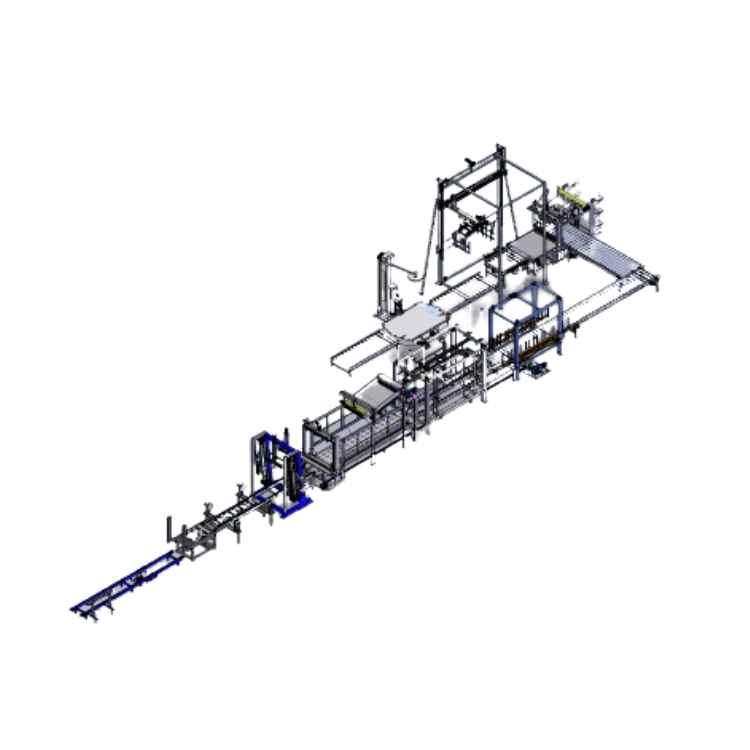
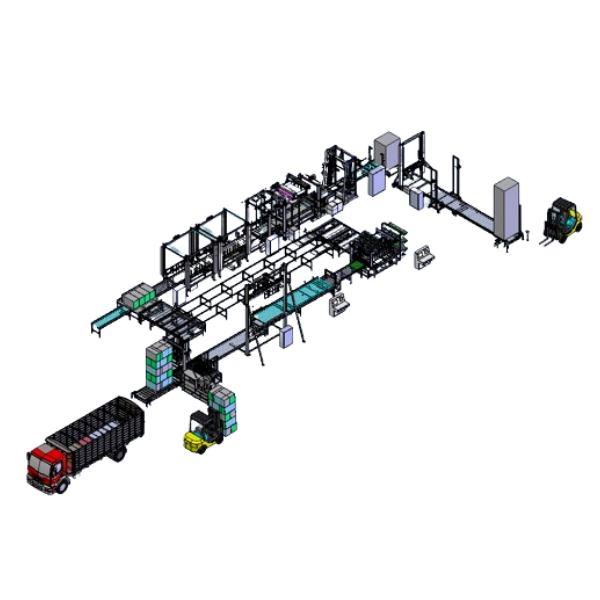
The supplied assembly views show an upright frame within a long conveyor layout. Front, rear, side and top views show how the frame, supports and conveyor sections are arranged. The two-dimensional side and plan drawings provide a separate layout reference.
Use these drawings to identify loading space, discharge space and access around the frame. Confirm the final installation drawing before setting foundations, reserving service access or connecting the station to other equipment. The images are design references; the agreed equipment configuration should be recorded in the quotation and approved drawings.
Define the sheets you need to produce
For an EPS block slicing machine inquiry, send the incoming block size and the sheet thicknesses required from each block. State the permitted thickness variation, the expected edge and surface quality, and how many sheets you need during a defined production period.
These details let the technical team evaluate material suitability and the required feed and cutting arrangement together. Confirm the cutting method, thickness adjustment and control functions for the selected configuration. The model views alone do not establish a thickness range, cutting accuracy or production rate.
Set out the equipment supply scope
Ask the quotation to list the machine frame, conveyor sections, cutting and adjustment components, drive equipment and controls included in the offer. Describe any upstream and downstream equipment already in the factory. Include the available power supply and the intended operating arrangement.
Agree the inspection criteria before ordering. Useful acceptance points include the specified board material, block size, finished sheet thickness and the agreed method for checking cut quality. Packing, installation support and delivery terms should be stated in the project quotation.
Questions before selecting a machine
Is the offer for a complete machine or an adjustment component?
This record covers an insulation-board slicing machine. Confirm the conveyor sections, cutting assembly, drives and controls included in the quotation so the supply scope is clear.
Can a general EPS sheet cutting machine be selected from its name alone?
Send the actual board specification and required cut quality for technical review. Material suitability and the cutting process need to be confirmed for the selected machine.
What is the minimum information for a quotation?
Provide the material data, block dimensions and target sheet thicknesses. Add the required output, factory layout, power supply and delivery country so the equipment scope can be discussed.
For related equipment, see the existing EPS block slicing machine with automatic wire setting and Styrofoam cutting machine. Each page describes a separate equipment application; use the specified material and configuration for comparison.
Discuss your insulation-board slicing requirements
Send your board specification, block dimensions and target sheet thickness schedule to EPSTEC. Include a factory layout when the new slicing station needs to fit an existing production area.
Features
- The page is dedicated to the Zhenjin board slicing application. Material specification and sheet requirements guide the equipment discussion.
- An upright frame and conveyor layout are visible in the supplied model. The views help buyers review the proposed station arrangement and identify space for handling the board stock.
- Two-dimensional side and plan drawings accompany the assembly views. They provide different references for reviewing the machine layout and installation needs.
- Front, rear, left, right, top and an accepted oblique model view show the assembly from several directions. These are design references for configuration review, rather than evidence of cutting performance.
Reference Product Information
Reference design dimensions only. Confirm the final approved drawing, configuration and interfaces for your order.
| Parameter | Value | Notes |
| Equipment type | Insulation-board slicing machine | Complete machine application confirmed for this record |
| Intended board material | Thermosetting modified polystyrene insulation board (Zhenjin board) | Material specification and cutting suitability require project review |
| Process purpose | Slicing board stock into sheets | Required block size and sheet thickness schedule to be supplied by the buyer |
| Visible layout | Upright frame with conveyor sections | Model and drawing reference; final supplied layout to be agreed |
| Reference height in DWG side view | 3016.47 mm | Reference drawing dimension; confirm installed height and service clearances |
Machine Rendering
Design reference views; confirm the approved revision for manufacture and installation.

Color machine rendering supplied as main image for thermosetting insulation boards.
Structural Drawing References
Design reference views; confirm the approved revision for manufacture and installation.

Thermosetting insulation board cutting machine side elevation drawing.

Thermosetting insulation board cutting machine plan view drawing.
3D Design References
Design reference views; confirm the approved revision for manufacture and installation.

EPS thermosetting board slicing machine Front model view.

EPS thermosetting board slicing machine Back model view.

EPS thermosetting board slicing machine Left model view.

EPS thermosetting board slicing machine Right model view.

EPS thermosetting board slicing machine Top model view.

EPS thermosetting board slicing machine 3D preset model view.