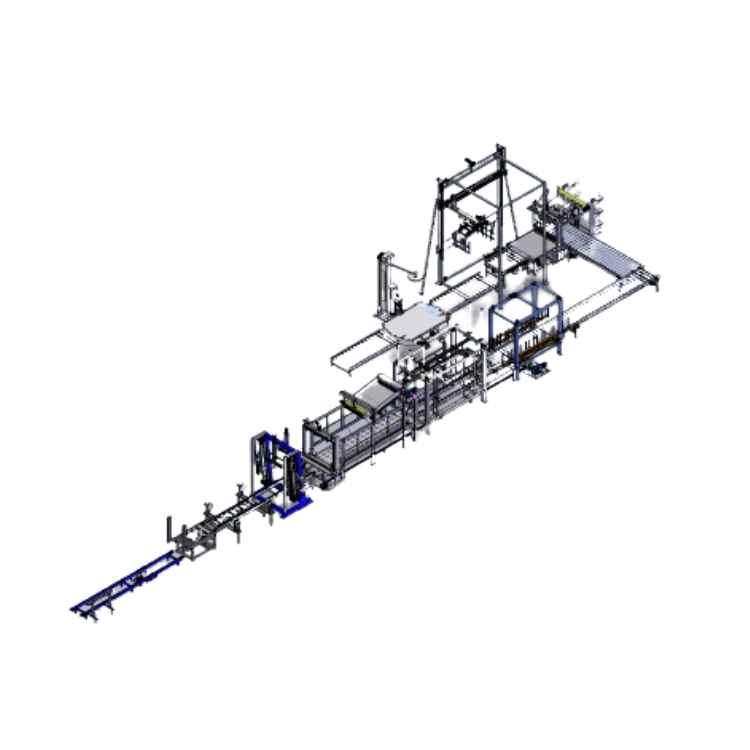
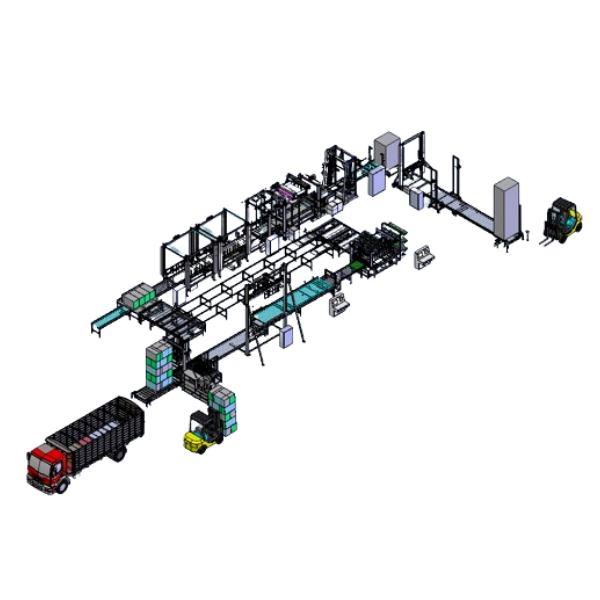
Dewatering machine
The de-watering machine proves to be an indispensable asset in the EPS industry, among others. By efficiently removing excess water, it not only ensures the quality and manageability of products but also supports sustainable practices. Whether for small-scale operations or large industrial setups, the strategic advantage of implementing a de-watering machine is clear. It optimizes processes, cuts costs, and, most importantly, spearheads environmental conservation efforts within the industry.
For enterprises in the EPS industry looking to enhance their operations, investing in a high-quality de-watering machine could mark a strategic pivot towards more sustainable, efficient, and cost-effective production.
Description
Understanding the De-Watering Machine
In the intricate and often overlooked corners of industrial applications, particularly within the EPS (Expanded Polystyrene) sector, efficient water management is crucial. This brings us to an essential piece of technology—the de-watering machine. Designed to extract water from EPS foam and other materials, this machine plays a pivotal role in enhancing product quality and operational efficiency.
What is a De-Watering Machine?
A de-watering machine is a specialized device used to remove excess water from wet materials, such as EPS foam, sludge, and other water-laden products. It functions through various mechanisms like centrifugal force, vacuum, or pressing, transforming water-heavy materials into drier, more manageable forms. This process is critical in industries where moisture reduction is essential for further processing or disposal of materials.
Key Functions
| Function | Description |
|---|---|
| Moisture Extraction | Rapidly removes water to prevent degradation and prepare materials for further processing. |
| Volume Reduction | Decreases the volume of waste material, making disposal or further processing more efficient. |
| Improved Product Handling | Reduces stickiness and weight, enhancing handling and transportation. |
| Energy Efficiency | Lowers the energy required in subsequent drying processes. |
Benefits
- Enhanced Product Quality: By reducing moisture content, the de-watering machine helps in maintaining the structural integrity and quality of EPS products.
- Cost Efficiency: Less water content means reduced weight, lowering transportation costs and decreasing the energy needed for further drying.
- Environmental Impact: Efficient water removal translates into less water waste, helping companies adhere to environmental regulations.
- Operational Efficiency: Streamlines workflow by integrating seamlessly into existing processing lines, thus reducing downtime.
Limitations
- Maintenance Requirements: Regular maintenance is needed to ensure optimal performance, which might add to operational costs.
- Initial Investment: The upfront cost for an advanced de-watering system can be significant, although it pays off in the long run.
- Material Specificity: Some de-watering machines are tailored for specific materials and might not be as effective with others.
Technical Specifications
| Specification | Details |
|---|---|
| Capacity | 100 – 1000 kg/hr |
| Moisture Reduction Rate | Up to 95% |
| Power Consumption | Varies based on model, approximately 5 kW to 50 kW |
| Operational Speed | 100 – 500 RPM, depending on the machine model |
| Dimensions | Depends on capacity and model, typically ranges from 2x2x4 to 4x4x7 meters |
Maintenance or Installation Tips
- Regular Inspection: Check components like filters and screens weekly for clogs or wear.
- Proper Installation: Ensure the machine is installed on a stable surface to prevent vibrations and potential damage.
- Routine Cleaning: Maintain cleanliness to prevent material buildup that can hinder performance.
- Professional Servicing: Schedule annual servicing with certified technicians to prolong the lifespan of the machine.
Typical Applications
- Waste Management Facilities: To de-water sewage sludge or organic waste.
- Chemical Processing Plants: For drying chemicals that are sensitive to moisture.
- EPS Production: Integral in preparing EPS beads for molding processes.
Output and Its Reuse
The output from a de-watering machine typically comprises compacted, moisture-reduced material. This drier material can be:
- Recycled: Repurposed within the production line where feasible.
- Disposed: Easier and more cost-effective disposal due to reduced volume and weight.
- Processed Further: Used as a feedstock for other industrial processes.
Suit for EPS machine
Photo


Leave a Message