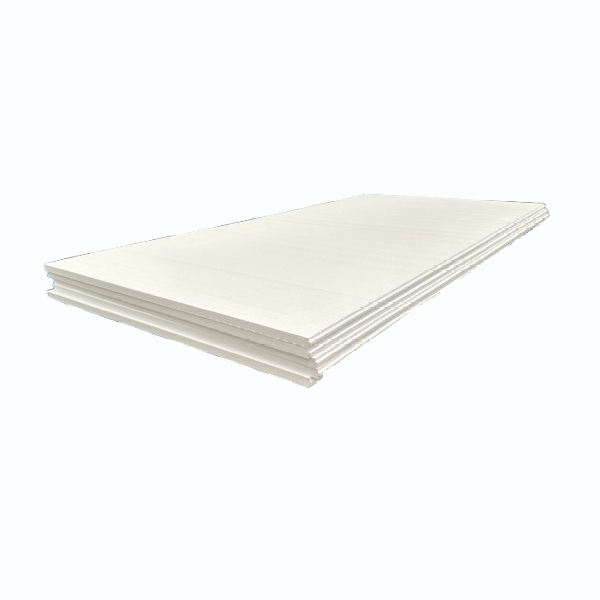
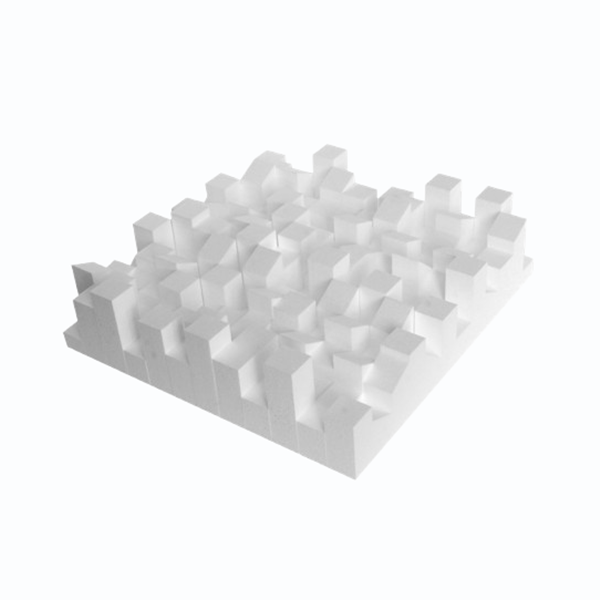
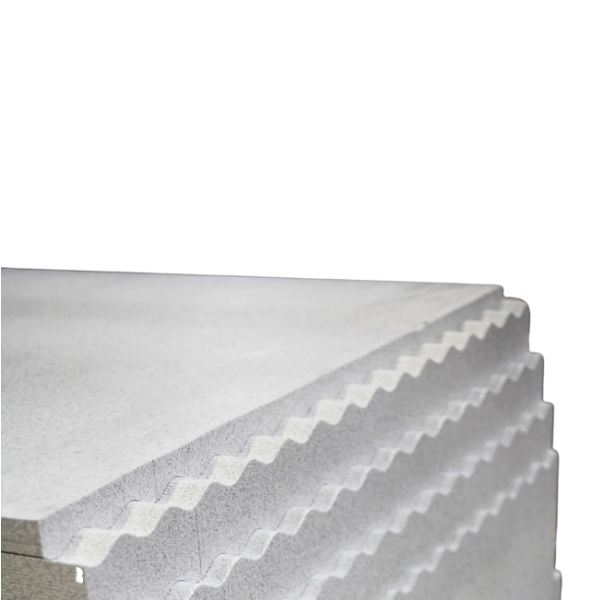
Insulation roof decking system
Insulation roof decking systems integrate structural support and thermal insulation, enhancing energy efficiency and streamlining construction. The system comprises structural decking, an insulation layer, a waterproofing membrane, and a roof covering. Benefits include energy efficiency, simplified construction, durability, improved indoor comfort, and versatility. Proper insulation selection, waterproofing integrity, ventilation, and professional installation are crucial considerations. These systems contribute to sustainability by reducing energy consumption and greenhouse gas emissions.
Suit for EPS machine
Description
An insulation roof decking system is a specialized construction method designed to provide both structural support and thermal insulation for roofing applications. This system integrates insulation materials directly into the roof deck, creating a continuous thermal barrier that significantly enhances the energy efficiency of buildings. By combining structural decking and insulation into a single component, these systems streamline the construction process and improve the overall performance of the roof.
Components of an Insulation Roof Decking System
- Structural Decking: The primary structural layer that provides the necessary support for the roof covering. It can be made from various materials, including wood, metal, or concrete.
- Insulation Layer: Integrated directly above or within the structural decking, this layer is typically made from rigid foam insulation materials such as Expanded Polystyrene (EPS), Extruded Polystyrene (XPS), Polyisocyanurate (Polyiso), or spray foam insulation.
- Waterproofing Membrane: A critical component applied over the insulation to prevent water infiltration. This can be a single-ply membrane, built-up roofing, or a liquid-applied coating, depending on the system design.
- Roof Covering: The outermost layer, which can include shingles, tiles, metal panels, or green roofing, protects from the elements and contributes to the aesthetic appeal of the building.
Advantages
- Energy Efficiency: By providing a continuous insulation layer, these systems significantly reduce thermal bridging and heat loss, leading to lower heating and cooling costs.
- Simplified Construction: Integrating insulation into the roof decking simplifies the construction process by eliminating the need for separate insulation installation steps.
- Durability: Many insulation roof decking systems offer enhanced durability and resistance to moisture, improving the lifespan of the roof.
- Improved Indoor Comfort: The continuous insulation layer helps maintain consistent indoor temperatures, enhancing occupant comfort.
- Versatility: Suitable for a wide range of building types and roofing designs, from flat commercial roofs to sloped residential roofs.
Installation Considerations
- Proper Insulation Selection: Choosing the right type and thickness of insulation is crucial to meet the specific thermal performance requirements and comply with local building codes.
- Waterproofing Integrity: Ensuring a seamless and durable waterproofing layer is essential to protect the building from water damage.
- Ventilation: In some designs, especially in colder climates, adequate ventilation must be provided to prevent condensation within the roof assembly.
- Professional Installation: Due to the complexity of integrating multiple components, professional installation by experienced contractors is recommended to ensure optimal performance and compliance with building standards.
Environmental Impact
The use of insulation roof decking systems can significantly contribute to the sustainability of buildings by reducing energy consumption and greenhouse gas emissions. Additionally, selecting environmentally friendly insulation materials and recycling construction waste can further minimize the environmental impact.
Insulation roof decking systems represent a modern approach to roofing that prioritizes energy efficiency, durability, and construction efficiency. By effectively combining structural support with thermal insulation, these systems offer a comprehensive solution that meets the demands of contemporary building practices, contributing to more sustainable and comfortable living and working environments.
Photo


Application


Leave a Message