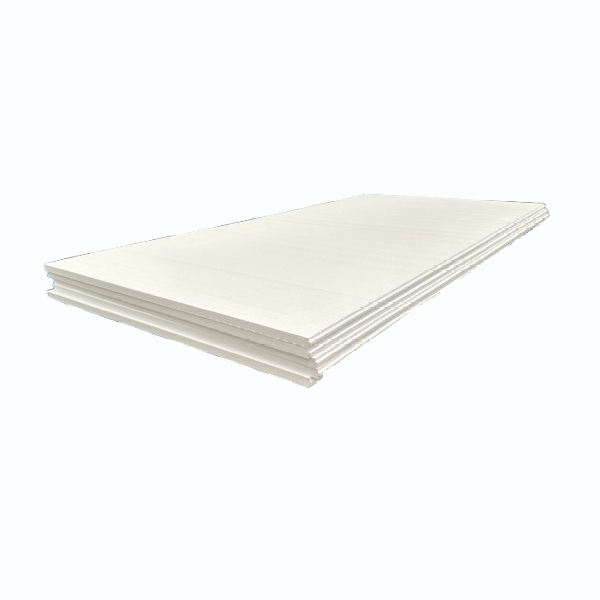
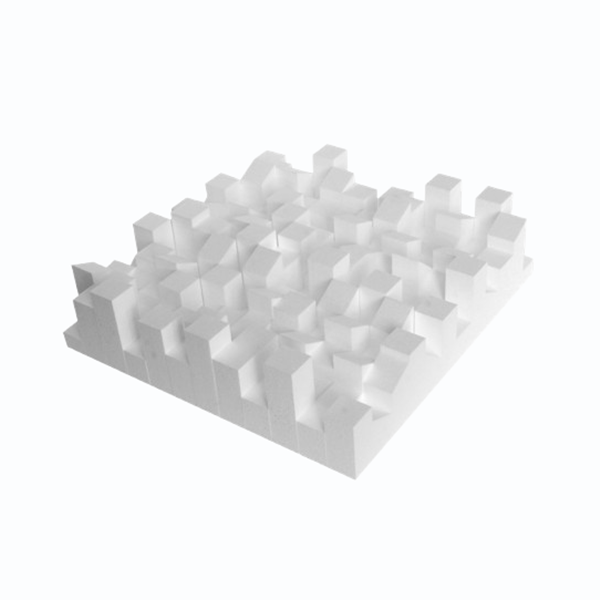
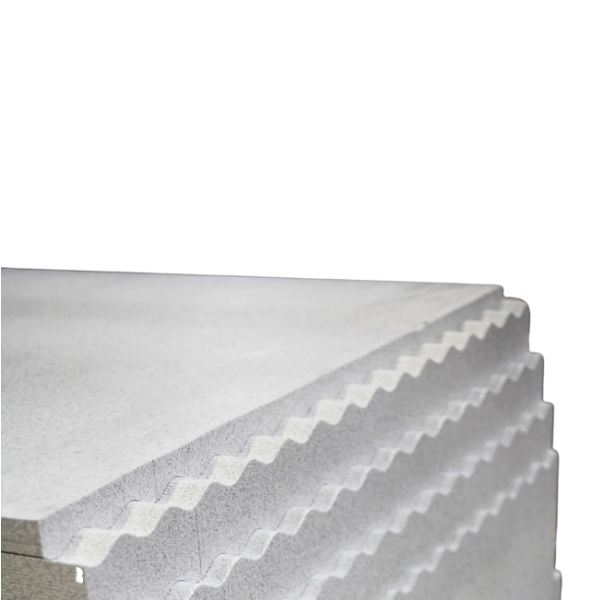
Heating floor for expanded polystyrene
Heating floors that incorporate expanded polystyrene (EPS) offer efficient, comfortable, and uniform heating across various types of buildings. EPS enhances thermal efficiency, ensures even heat distribution, and minimizes heat loss. Benefits include improved thermal insulation, cost efficiency, moisture resistance, ease of installation, and reduced environmental impact. However, considerations must be made for subfloor preparation, system compatibility, and flooring compatibility.
Suit for EPS machine
Description
Heating floors that incorporate expanded polystyrene (EPS) are an innovative solution for providing efficient, comfortable, and uniform heating across various types of buildings. EPS, a lightweight and versatile foam insulation material, plays a crucial role in these systems by significantly enhancing their thermal efficiency. The integration of EPS in underfloor heating systems not only ensures that heat is evenly distributed across the floor surface but also minimizes heat loss, leading to improved energy efficiency and reduced heating costs.
How It Works
In a typical EPS-enhanced underfloor heating system, either electric heating cables or hydronic (water-based) piping are laid out on top of an EPS insulation layer that covers the subfloor. This EPS layer acts as a barrier that prevents heat from dissipating downwards, directing it upwards into the room instead. The result is a warm floor surface and a consistently heated space that enhances occupant comfort.
Key Benefits of Using EPS in Heating Floors
- Improved Thermal Insulation: EPS has excellent thermal insulation properties, which help to retain heat within the room, reducing the demand on the heating system and thereby lowering energy consumption.
- Cost Efficiency: By enhancing the efficiency of underfloor heating systems, EPS can contribute to significant energy savings over time. Additionally, the material itself is cost-effective, adding minimal expense to the installation of the heating system.
- Moisture Resistance: EPS is resistant to moisture, making it suitable for use in a variety of environments, including damp areas. This property helps to protect the structural integrity of the floor and the longevity of the heating system.
- Ease of Installation: Lightweight and easy to cut, EPS can be quickly installed and easily shaped to fit any room layout, facilitating a straightforward installation process for underfloor heating systems.
- Environmental Impact: EPS is 100% recyclable, and using it in underfloor heating systems contributes to the overall energy efficiency of buildings. Selecting EPS made from recycled materials can further reduce the environmental footprint.
Installation Considerations
- Subfloor Preparation: The subfloor must be clean, dry, and level before laying down the EPS insulation. Proper preparation ensures optimal performance of the underfloor heating system.
- System Compatibility: Ensure that the EPS insulation is compatible with the type of underfloor heating being installed (electric or hydronic) and that it meets the required specifications for thermal resistance and compressive strength.
- Flooring Compatibility: The final flooring material (e.g., tile, hardwood, laminate) must be suitable for use with underfloor heating. Some materials conduct and retain heat better than others, affecting the system’s overall efficiency.
The use of expanded polystyrene in heating floor systems offers a practical and efficient method for enhancing the comfort and energy efficiency of indoor spaces. Its excellent insulation properties, combined with ease of installation and cost-effectiveness, make EPS an ideal choice for underfloor heating applications across residential, commercial, and industrial settings. By effectively directing heat upwards and minimizing loss, EPS helps create a warm and inviting environment while optimizing energy use.
Photo

Leave a Message