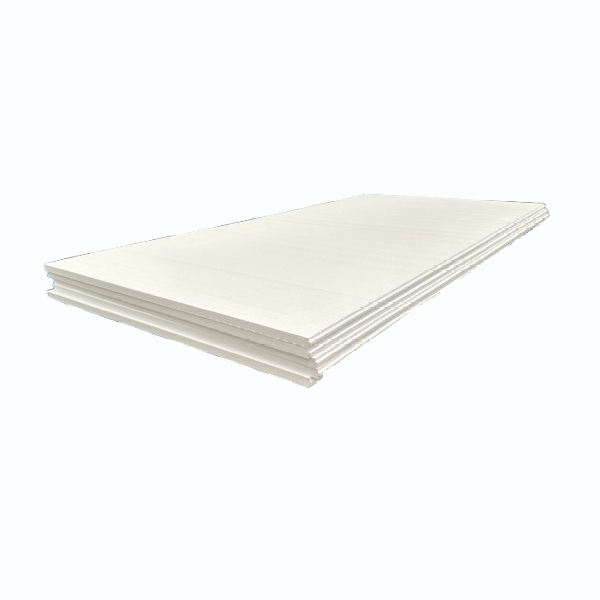

Exterior insulation and finish system (EIFS)
Exterior Insulation and Finish System (EIFS) is a composite building system that provides insulated, water-resistant, and finished exterior walls. It consists of insulation board, base coat, reinforcement mesh, and finish coat. EIFS offers energy efficiency, design flexibility, durability, moisture control, and lightweight construction. Proper installation is crucial to prevent moisture intrusion. EIFS is environmentally friendly and requires minimal maintenance. It is a versatile and efficient solution for building exteriors.
Description
An Exterior Insulation and Finish System (EIFS) is a type of building system that provides exterior walls with an insulated, water-resistant, finished surface in an integrated composite material system. It is a lightweight synthetic wall cladding that includes foam plastic insulation and thin synthetic coatings. EIFS are used on a wide range of buildings, from residential homes to commercial and industrial facilities, offering an energy-efficient solution for exterior wall cladding.
Components of EIFS
EIFS typically consist of the following layers:
- Insulation Board: Made from expanded polystyrene (EPS) or other types of foam insulation, this board is attached to the exterior wall surface, providing high thermal insulation.
- Base Coat: Applied on top of the insulation, the base coat is usually a polymer-based cement material that adds strength and water resistance. It also serves as an adhesive layer for the reinforcement mesh.
- Reinforcement Mesh: A fiberglass mesh is embedded in the base coat to provide strength and flexibility to the system, helping to prevent cracking.
- Finish Coat: The top layer is a textured finish coat that provides aesthetics and weather resistance. It can be tinted in various colors and textures to achieve the desired appearance.
Advantages of EIFS
- Energy Efficiency: EIFS provides excellent thermal insulation, reducing energy costs for heating and cooling the building.
- Design Flexibility: Available in a variety of colors and textures, EIFS can mimic the appearance of stone, stucco, brick, and other architectural finishes.
- Durability: When properly installed and maintained, EIFS can be very durable, resistant to fading, cracking, and peeling.
- Moisture Control: EIFS systems can include a water management feature that helps to protect the building from water damage.
- Lightweight: The system adds minimal weight to the building structure, which can be beneficial in seismic areas.
Installation Considerations
Proper installation of EIFS is crucial to prevent moisture intrusion, which can lead to mold growth and structural damage. It is important that EIFS be installed by trained and certified professionals. A water-resistive barrier and proper flashing should be used to direct water away from the building.
Environmental Impact
EIFS are considered to be environmentally friendly due to their insulation properties, which contribute to energy efficiency. The materials used in EIFS can also contain recycled content, further reducing the environmental impact.
Maintenance and Repair
EIFS require minimal maintenance, typically needing only occasional cleaning and inspections to ensure the integrity of the system. Repairs, when necessary, should be performed by professionals familiar with EIFS to ensure that the system’s performance is not compromised.
Exterior Insulation and Finish Systems offer a versatile and efficient solution for building exteriors, combining insulation and aesthetic design flexibility. With proper installation and maintenance, EIFS can provide long-lasting energy efficiency and durability, making it a popular choice for a wide range of construction projects.
Photo

Leave a Message