Expanded polystyrene in construction
Expanded Polystyrene (EPS) is a versatile and efficient material choice in construction, offering superior insulation, lightweight properties, moisture resistance, durability, cost-effectiveness, and versatility. It finds applications in thermal insulation, exterior cladding, void formers, roofing systems, geofoam, underground utilities protection, sound insulation, foundation insulation, architectural features, concrete construction, structural insulated panels, concrete forms, and decorative elements. EPS plays a crucial role in creating energy-efficient and sustainable buildings, making it a material of choice for future construction projects.
Description
Expanded Polystyrene (EPS) in construction represents a versatile and efficient material choice, offering significant benefits in terms of insulation, structural integrity, and sustainability. Its lightweight nature, combined with excellent thermal insulation properties, makes EPS an ideal solution for a wide range of construction applications. This article delves into the use of EPS in construction, exploring its benefits, applications, and the future outlook for this material in the building industry.
Benefits of Using Expanded Polystyrene in Construction
1. Superior Insulation: EPS offers exceptional thermal insulation, reducing energy consumption for heating and cooling in buildings. This leads to significant energy savings and contributes to the creation of more sustainable structures.
2. Lightweight: The material is remarkably light, which reduces the overall load on structures and simplifies handling and transportation during the construction process.
3. Moisture Resistance: EPS does not absorb water, making it an excellent choice for insulation in moisture-prone areas. Its resistance to water ingress helps in preventing mold and fungal growth, ensuring the longevity of building structures.
4. Durability: Despite its lightweight nature, EPS is highly durable and maintains its physical and thermal properties over time. It is resistant to decay, rot, and most chemicals, making it a long-lasting choice for construction.
5. Cost-Effectiveness: EPS is cost-effective not only in terms of initial investment but also in long-term savings due to its energy efficiency. Its ease of installation further reduces labor costs.
6. Versatility: The material can be used in various applications, from wall insulation to roofing systems and even in civil engineering projects like road construction, demonstrating its adaptability to different construction needs.
Applications of Expanded Polystyrene in Construction
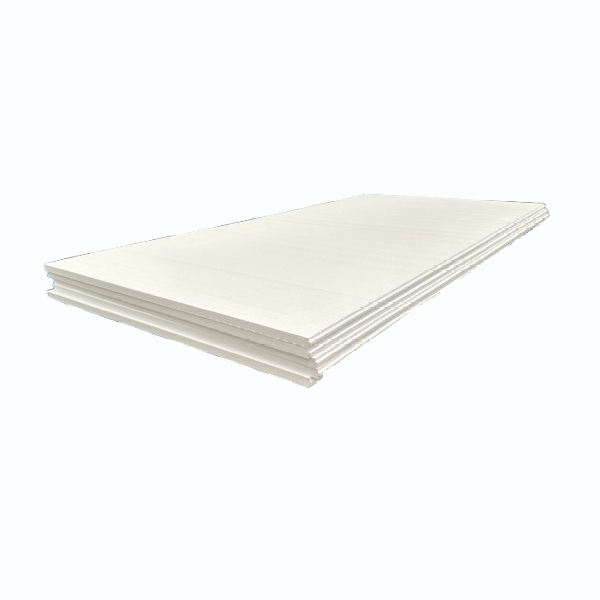
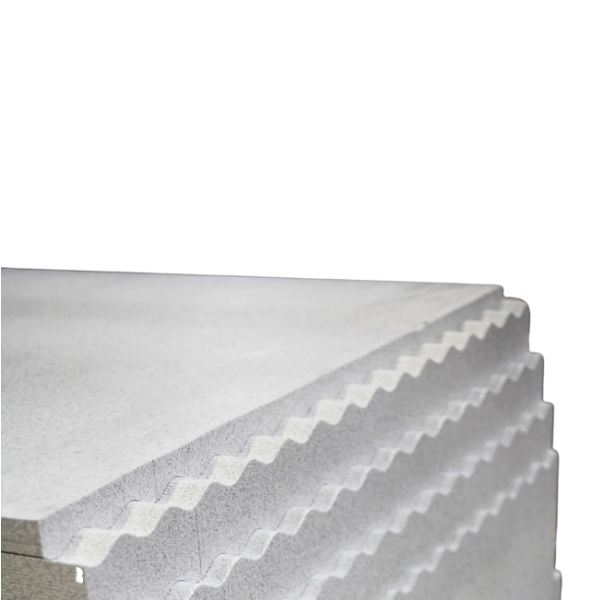
- Thermal Insulation: EPS foam boards are widely used as insulation material for walls, roofs, and floors. They have a high R-value (a measure of thermal resistance), which helps in maintaining indoor temperatures, reducing heating and cooling energy consumption, and improving energy efficiency in buildings.
- Exterior Insulation and Finish Systems (EIFS): EIFS is a cladding system that incorporates EPS foam boards as insulation and a decorative finish. It enhances the energy efficiency of buildings while providing an aesthetically pleasing exterior.
- Void Formers: EPS blocks or shapes are used as void formers or stay-in-place forms in concrete construction. They create voids in the concrete structure, reducing overall weight, and saving on concrete materials. EPS void formers are used in bridge decks, slabs, and other concrete structures.
- Lightweight Roofing Systems: EPS is employed in roofing systems as lightweight insulation, providing an effective barrier against heat transfer and moisture. It reduces the structural load on buildings and simplifies roof construction.
- Geofoam: EPS geofoam is used to reduce soil settlement, provide lightweight fill material for embankments, and assist in grade changes.In civil engineering, EPS is used as lightweight fill material under roads, behind retaining walls, or in landscaping, known as geofoam. It helps in solving geotechnical challenges by reducing the load on underlying soils.
- Underground Utilities Protection: EPS foam is used to protect underground utilities such as water pipes, sewer lines, and electrical conduits from freezing in cold climates. It serves as an insulating layer around these utilities.
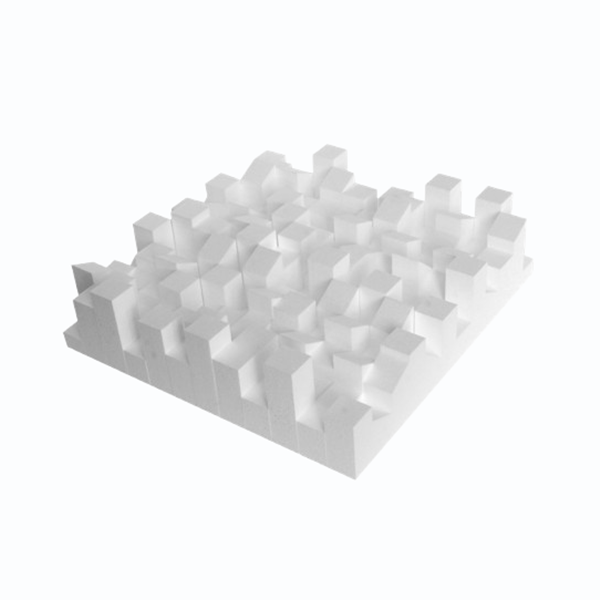
- Sound Insulation: EPS panels are employed to reduce noise transmission in walls and ceilings, making buildings quieter and more comfortable for occupants.
- Foundation Insulation: EPS foam boards are used as insulation for foundations, preventing heat loss and moisture infiltration. This is especially important in cold climates to prevent frost heaving.
- Architectural Features: EPS foam is carved into intricate shapes and designs for architectural elements like decorative cornices, columns, and facades. It offers an affordable and lightweight alternative to traditional architectural materials.
- Styrofoam Blocks for Concrete Construction: Large EPS blocks are used to create insulated concrete forms (ICFs) for constructing energy-efficient walls. ICFs are known for their thermal insulation properties, strength, and ease of construction.
- Structural Insulated Panels (SIPs): These panels combine EPS insulation between two structural facings, typically oriented strand board (OSB), providing a strong, energy-efficient building system.
- Concrete Forms: EPS forms are used as molds for concrete, where the EPS not only shapes the concrete but also provides insulation. This system is used in walls and floors, offering a quick and insulated construction method.
- Decorative Elements: Due to its ease of shaping, EPS is also used for creating decorative architectural elements that are lightweight and easy to install.
Expanded Polystyrene in construction offers a blend of lightweight, insulation, and durability that few materials can match. Its versatility across various applications from insulation to structural components underscores its importance in modern construction methodologies. As the industry evolves, the role of EPS in creating energy-efficient, sustainable buildings is expected to expand, marking it as a material of choice for future construction projects.
Photo


Leave a Message