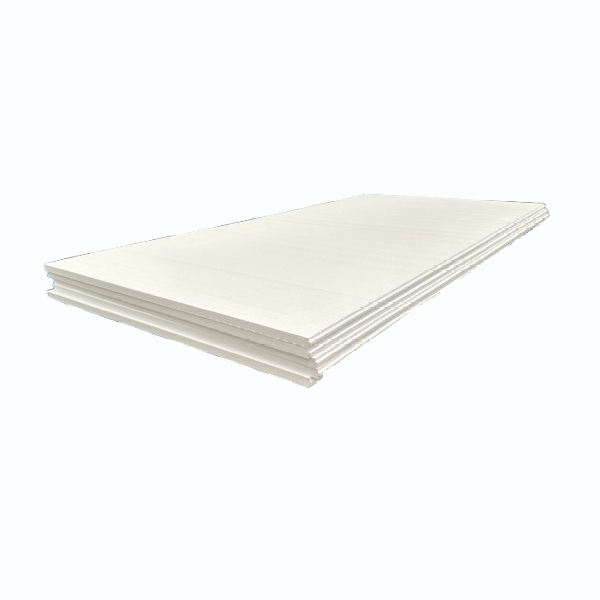

EPS window sill connection profile for passive house
EPS window sill connection profiles for passive houses are made from high-quality EPS foam, ensuring airtightness, thermal insulation, and structural integrity around window installations. They are custom-designed, easy to install, and comply with passive house standards. The benefits include superior thermal insulation, airtightness, moisture management, durability, compliance with passive house principles, and enhanced comfort and indoor air quality.
Description
EPS window sill connection profiles designed for passive houses are specialized profiles made from Expanded Polystyrene (EPS) foam, specifically tailored to meet the high-performance requirements of passive house construction. These profiles play a crucial role in ensuring airtightness, thermal insulation, and structural integrity around window installations in passive houses. Here are the key features and benefits of EPS window sill connection profiles for passive houses:
Key Features:
- High-Quality EPS Foam: The profiles are crafted from high-density EPS foam, known for its excellent thermal insulation properties and durability.
- Airtight Design: EPS window sill connection profiles are engineered to create a seamless and airtight seal around window installations, preventing air leakage and maintaining the energy efficiency of passive houses.
- Customized Fit: Each profile is custom-designed to fit the specific dimensions and requirements of passive house window installations, ensuring a precise and snug fit.
- Integrated Vapor Barrier: Some profiles may feature an integrated vapor barrier to further enhance moisture resistance and prevent condensation buildup within the window sill connection area.
- Compatibility with Passive House Standards: EPS window sill connection profiles are manufactured to comply with the rigorous standards and principles of passive house construction, ensuring optimal performance and energy efficiency.
- Easy Installation: These profiles are designed for easy and efficient installation, reducing construction time and labor costs associated with passive house projects.
Benefits:
- Superior Thermal Insulation: EPS foam provides superior thermal insulation, helping to minimize heat loss or gain through the window sill connection area, thereby improving the overall energy efficiency of passive houses.
- Airtightness: By creating airtight seals around window installations, EPS window sill connection profiles help to eliminate drafts and maintain consistent indoor temperatures, enhancing occupant comfort and reducing heating and cooling costs.
- Moisture Management: The integrated vapor barrier and moisture-resistant properties of EPS foam help to manage moisture effectively, preventing condensation and moisture-related issues within the building envelope.
- Durability and Longevity: EPS foam is lightweight yet durable, offering long-term performance and requiring minimal maintenance over the lifespan of the passive house.
- Compliance with Passive House Principles: EPS window sill connection profiles ensure compliance with passive house standards, contributing to the overall sustainability and energy efficiency of the building.
- Enhanced Comfort and Indoor Air Quality: By eliminating air leaks and maintaining stable indoor temperatures, EPS window sill connection profiles contribute to improved comfort and indoor air quality for occupants of passive houses.
EPS window sill connection profiles tailored for passive houses provide effective insulation, airtightness, and moisture management, essential for achieving the high-performance standards of passive house construction. These profiles offer numerous benefits, including superior thermal performance, durability, and compatibility with passive house principles, making them an essential component of energy-efficient and sustainable building design.
Suit for EPS machine
Photo

Application


Package
Delivery
Leave a Message