EPS Voids filler
EPS (Expanded Polystyrene) void fillers are lightweight, customizable construction materials that provide thermal insulation and accommodate movement in structures. They are used in a variety of applications, including concrete slabs, bridge construction, landscaping, utility trenches, and architectural features. Despite being petroleum-based, EPS contributes to sustainable construction by reducing structural weight and enhancing thermal efficiency, and it is recyclable. Careful planning is needed during installation to ensure compatibility, protection, and integration with other materials.
Suit for EPS machine
Description
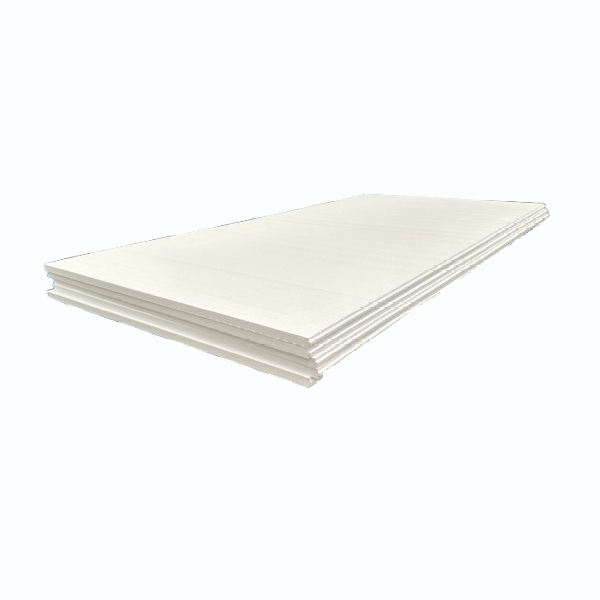
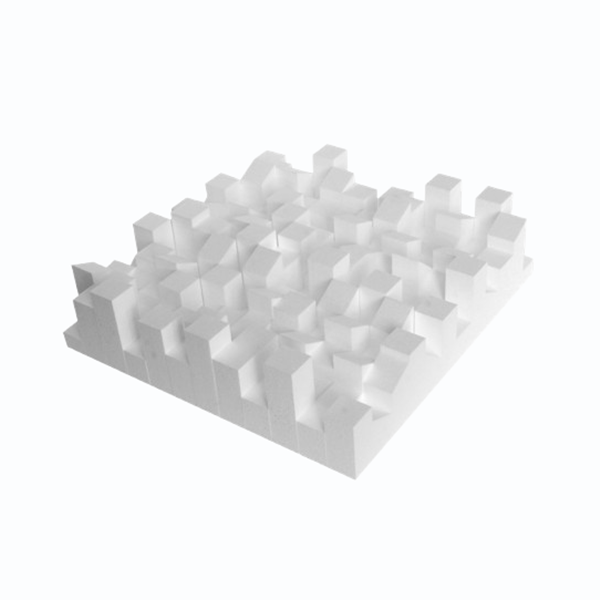
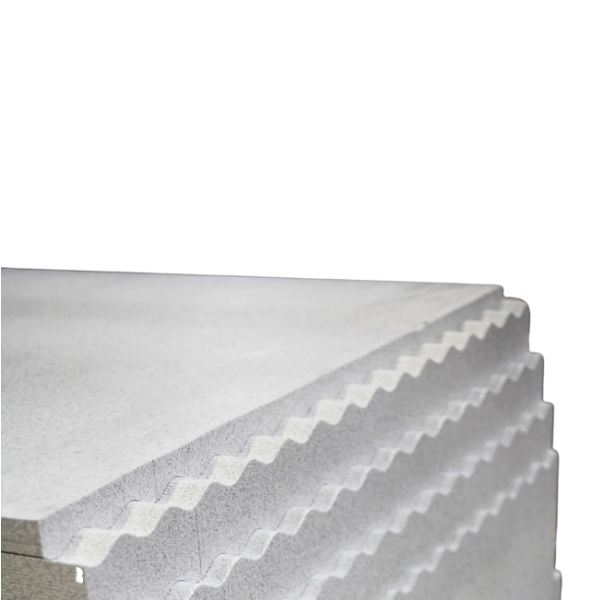
EPS (Expanded Polystyrene) void fillers are construction materials used to fill voids, gaps, or spaces in building and civil engineering projects. Made from lightweight EPS foam, these fillers are designed to reduce the overall weight of structures, provide thermal insulation, and accommodate movement or expansion within construction elements. EPS void fillers are versatile and can be tailored to fit various shapes and sizes, making them suitable for a wide range of applications, from concrete slabs and bridge abutments to landscaping and beyond.
Key Features of EPS Void Fillers
- Lightweight: EPS foam is exceptionally light, significantly reducing the load on structures and foundations, which can lead to cost savings in materials and construction.
- Customizable: EPS can be easily cut and shaped to meet specific project requirements, allowing for precise filling of voids in complex geometries or dimensions.
- Thermal Insulation: EPS provides excellent thermal insulation, contributing to the energy efficiency of buildings and structures by minimizing heat transfer.
- Moisture Resistance: While EPS is resistant to water absorption, it helps in preventing moisture-related issues within the filled voids, contributing to the durability of the structure.
- Compressive Strength: Despite its lightweight nature, EPS foam can be produced in various densities to offer adequate compressive strength for supporting structural loads without significant deformation.
Applications of EPS Void Fillers
- Concrete Slabs and Foundations: EPS void fillers are used to reduce the weight and material cost of concrete slabs, floors, and foundations, especially in areas requiring lightweight solutions to address soil settlement or compaction issues.
- Bridge Construction: In bridge abutments and decks, EPS fillers help to lighten the structure, improve seismic performance, and accommodate thermal expansion.
- Landscaping: EPS void fillers are utilized in landscaping projects to create lightweight embankments or to fill large voids without adding excessive weight to the underlying soil.
- Utility Trenches: EPS foam can fill voids around pipes and utility lines, providing insulation and protection while allowing for easy access for repairs or adjustments.
- Architectural Features: EPS is used to create lightweight architectural features or to fill voids in ornamental elements, reducing the load on the supporting structure.
Installation Considerations
- Compatibility: Ensure that EPS void fillers are compatible with surrounding materials and the intended application, especially in terms of load-bearing capacity and environmental exposure.
- Protection: In some cases, EPS fillers may need to be protected from mechanical damage during installation or covered with a protective layer to prevent degradation from UV exposure or chemicals.
- Integration with Other Materials: Careful planning is required to integrate EPS fillers with reinforcing materials, waterproofing systems, or other construction elements to maintain structural integrity and performance.
Environmental Impact
EPS is a petroleum-based product, but its use as a void filler can contribute to sustainable construction practices by reducing the overall weight of structures and enhancing thermal efficiency. Additionally, EPS is recyclable, and increasing efforts are being made to recycle EPS waste from construction sites, reducing the environmental footprint of building projects.
EPS void fillers offer a practical and efficient solution for reducing weight, providing insulation, and accommodating structural movements in construction projects. Their lightweight nature, combined with the ability to be customized to specific requirements, makes them an invaluable tool in modern construction, enabling innovative designs and sustainable building practices.
Photo


Leave a Message