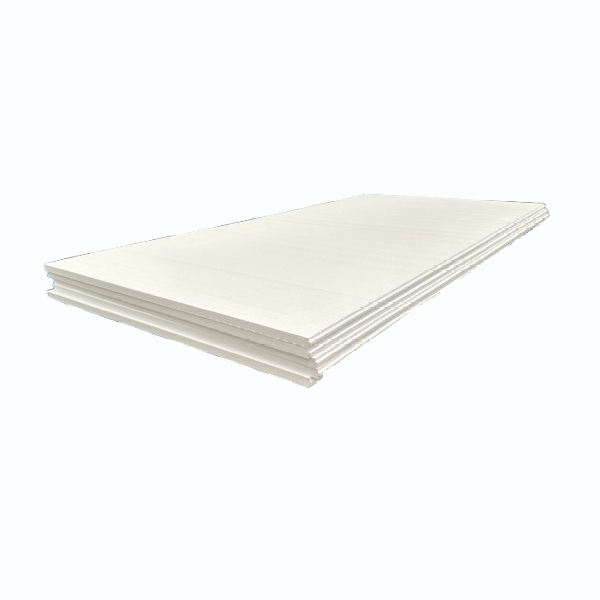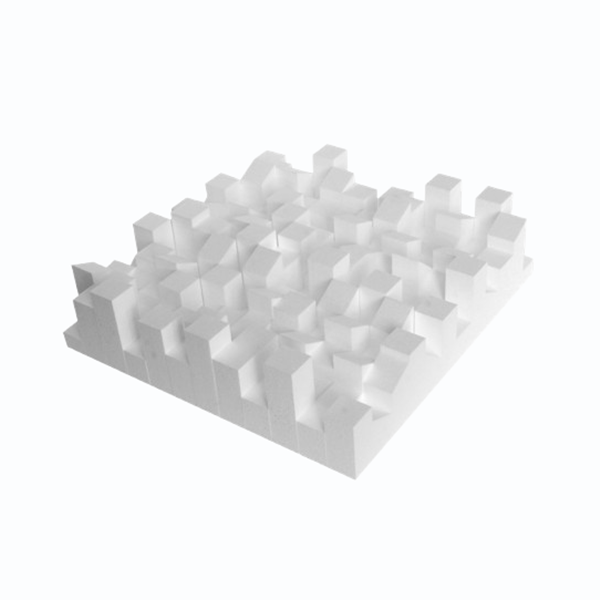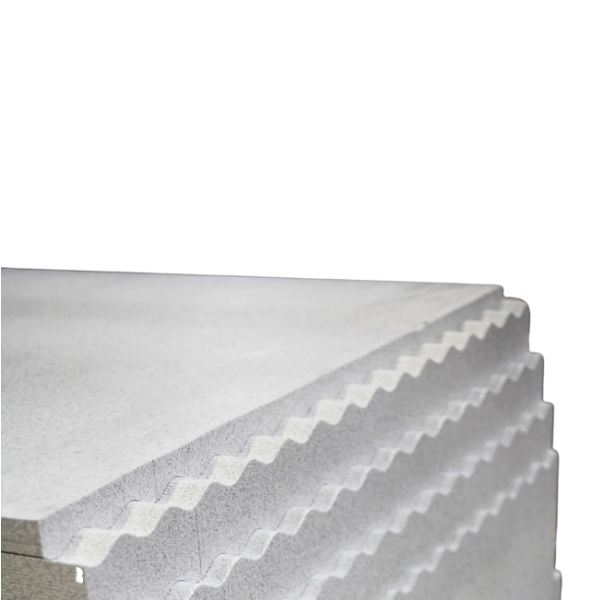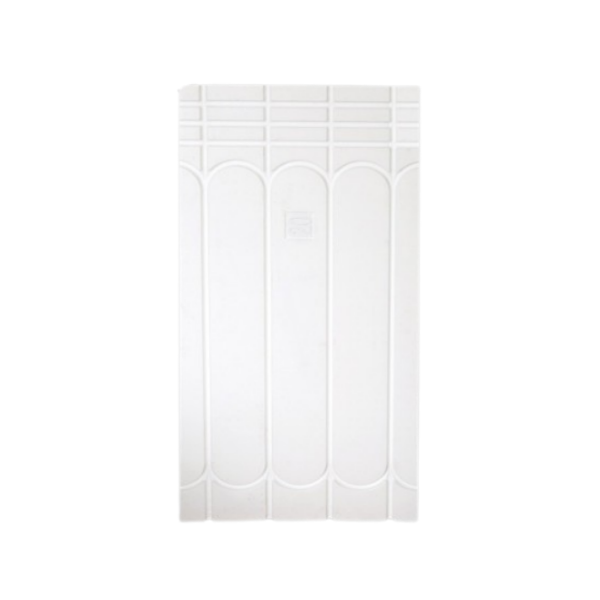
EPS underfloor heating panel without laminating
EPS (Expanded Polystyrene) panels are lightweight insulation materials used in construction for insulation, packaging, and structural components. They offer excellent thermal insulation, moisture resistance, and structural strength. Key features include high thermal insulation, lightweight, moisture resistance, cost-effectiveness, environmental friendliness, and versatility. They are used in building insulation, concrete forms, structural insulated panels, packaging, and geotechnical applications. Installation considerations include proper handling, use of vapor barriers, and adherence to fire safety standards.
Suit for EPS machine
Description
Specification
- 1200 X 600 X 20mm
An EPS (Expanded Polystyrene) panel is a versatile and lightweight insulation material widely used in the construction industry for various applications, including building insulation, packaging, and structural components in insulated concrete forms (ICFs) and structural insulated panels (SIPs). Made from expanded polystyrene beads, these panels are known for their excellent thermal insulation properties, moisture resistance, and structural strength, making them a popular choice for enhancing energy efficiency and comfort in buildings.
Key Features of EPS Panels
- Thermal Insulation: EPS panels have a high R-value, which measures their resistance to heat flow. This makes them highly effective at insulating buildings, reducing energy consumption for heating and cooling, and contributing to a comfortable indoor environment.
- Lightweight: The panels are very light, making them easy to handle and install. This reduces labor costs and simplifies the construction process.
- Moisture Resistance: EPS is inherently resistant to water absorption, which helps prevent mold growth and water damage, ensuring the longevity of the building structure.
- Cost-Effective: Compared to other insulation materials, EPS offers a good balance between cost and performance, providing an economical solution for building insulation.
- Environmentally Friendly: EPS is 100% recyclable, and its use in construction contributes to reduced energy consumption in buildings. Additionally, some EPS panels are made from recycled material, further minimizing their environmental impact.
- Versatility: EPS panels can be manufactured in various densities and thicknesses to meet specific requirements, and they can be easily cut to fit any space, making them suitable for a wide range of applications.
Installation Considerations
- Proper Handling: Despite their durability, EPS panels should be handled with care to avoid damage during transportation and installation.
- Vapor Barriers: In certain applications, a vapor barrier might be needed in conjunction with EPS insulation to manage moisture levels effectively.
- Fire Safety: While EPS is treated with fire retardants, it’s important to adhere to local building codes and standards regarding fire safety and to use EPS appropriately within the building’s design to mitigate risks.
EPS panels offer a practical and efficient insulation solution for a wide range of construction applications. Their excellent thermal insulation properties, combined with moisture resistance, cost-effectiveness, and environmental benefits, make them a favored choice in the construction industry for achieving energy-efficient and sustainable building designs.
Photo


Application
- Building Insulation: EPS panels are used in walls, roofs, and floors to improve the thermal efficiency of residential and commercial buildings.
- Concrete Forms: In ICF construction, EPS panels serve as formwork for concrete walls, providing insulation and structural support once the concrete has cured.
- Structural Insulated Panels (SIPs): SIPs are made by sandwiching a core of EPS between two structural facings, such as oriented strand board (OSB), creating a strong, insulated panel used for walls, roofs, and floors.
- Packaging: Due to their shock-absorbing properties, EPS panels are also used in packaging to protect goods during shipping and handling.
- Geotechnical Applications: EPS is used in civil engineering projects, such as road construction, where lightweight fill material is required.
Leave a Message