EPS packaging material
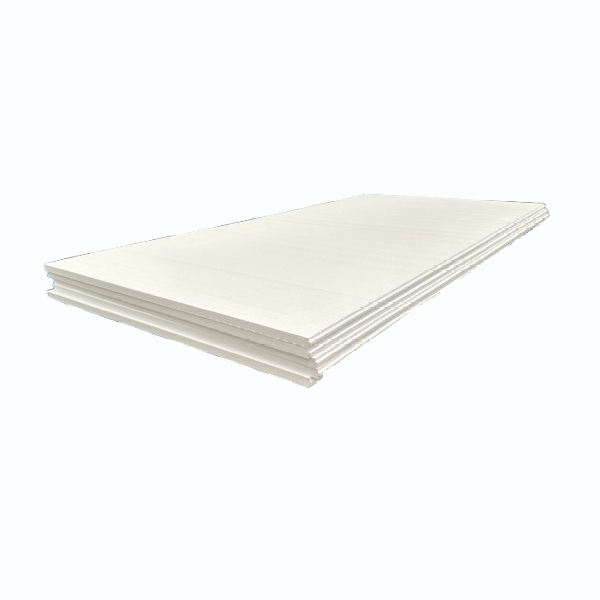
Expanded Polystyrene (EPS) is a lightweight, foam-based packaging material known for its cushioning, thermal insulation, and impact resistance. It’s widely used in food, medical, electronics, and industrial packaging. However, environmental concerns due to its non-biodegradable nature and recycling challenges have led to the exploration of sustainable alternatives, including improved recycling programs, development of biodegradable materials, and waste reduction initiatives.
Suit for EPS machine
Description
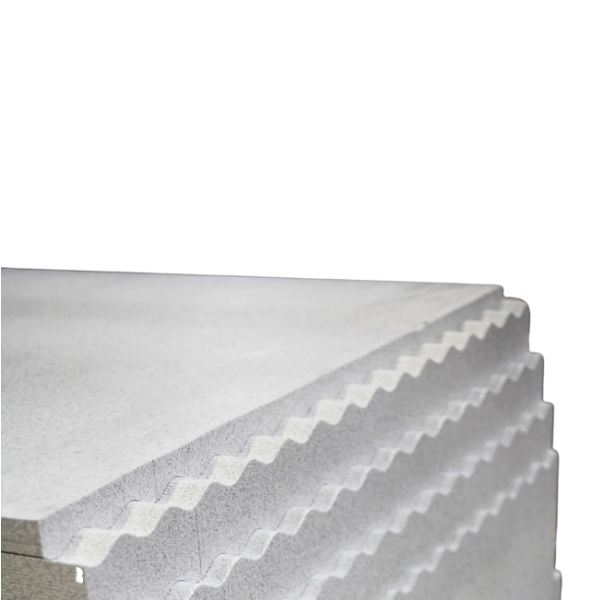
Expanded Polystyrene (EPS) packaging material is a lightweight, foam-based product widely used in the packaging industry for its excellent cushioning, thermal insulation, and impact resistance properties. Made from polystyrene, a type of plastic, EPS is produced by expanding polystyrene beads with steam, causing them to inflate and fuse together into a solid structure that is mostly air. This process results in a material that offers significant advantages for protecting and insulating a wide variety of goods during shipping and storage.
Key Characteristics of EPS Packaging Material
- Lightweight: EPS is composed of up to 98% air, making it extremely light and reducing the overall weight and shipping costs of packaged goods.
- Insulating Properties: Its thermal insulation capabilities are outstanding, making EPS ideal for shipping temperature-sensitive items such as food, pharmaceuticals, and chemicals.
- Shock Absorption: The foam structure of EPS provides excellent cushioning, protecting products from shocks, vibrations, and impacts during transit.
- Moisture Resistance: EPS is resistant to moisture, preventing water damage to the packaged items and maintaining the integrity of the packaging.
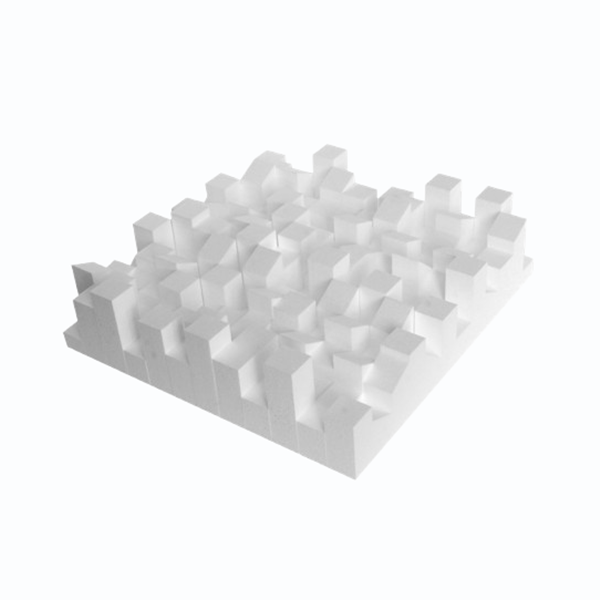
- Customizable: It can be easily molded into various shapes and sizes to snugly fit and protect any item, offering versatile packaging solutions across industries.
- Cost-Effective: Compared to other packaging materials, EPS is relatively inexpensive to produce, offering an economical choice for many packaging needs.
Applications of EPS Packaging Material
- Food Packaging: EPS is used for meat trays, fish boxes, vegetable and fruit packaging, and as insulated containers for shipping frozen or perishable food items.
- Medical and Pharmaceutical Packaging: Its thermal insulation properties make it suitable for transporting vaccines, medical devices, and other temperature-sensitive pharmaceutical products.
- Protective Packaging for Electronics: EPS is commonly used to package consumer electronics, appliances, and other fragile items, providing protection against damage during shipping.
- Industrial Packaging: It is used for packaging and protecting industrial parts and machinery that require cushioning against impacts and vibrations.
Environmental Considerations
Despite its many benefits, EPS packaging has faced criticism due to environmental concerns. EPS is not biodegradable and can be difficult to recycle, leading to issues with waste management and pollution. It can break down into small particles that are harmful to wildlife and difficult to clean up, contributing to marine and terrestrial litter.
Sustainable Alternatives and Innovations
In response to environmental concerns, there is a growing interest in developing more sustainable practices and alternatives to EPS packaging, such as:
- Recycling Programs: Efforts to improve EPS recycling are increasing, aiming to reduce its environmental footprint.
- Biodegradable and Compostable Materials: Research and development of packaging materials that can biodegrade or be composted are underway, offering potential alternatives to EPS.
- Waste Reduction Initiatives: Encouraging the reduction of packaging material use and the reuse of EPS where possible can help mitigate environmental impact.
EPS packaging material remains a popular choice for a wide range of applications due to its protective, insulating, and cost-effective properties. However, the environmental impact of EPS is a significant concern, driving the search for more sustainable packaging solutions. As technology and recycling processes improve, the packaging industry continues to explore ways to balance the benefits of EPS with the need for environmental responsibility.
Photo


Video
Leave a Message