EPS material properties
Expanded Polystyrene (EPS) is a lightweight, rigid, plastic foam insulation material with several key properties. These include its lightweight nature, excellent thermal insulation capabilities, good compressive strength, moisture resistance, chemical resistance, and versatility. EPS is also durable, fire-resistant when treated with retardants, and 100% recyclable. These properties make EPS suitable for a wide range of applications, particularly in insulation, packaging, and construction.
Description
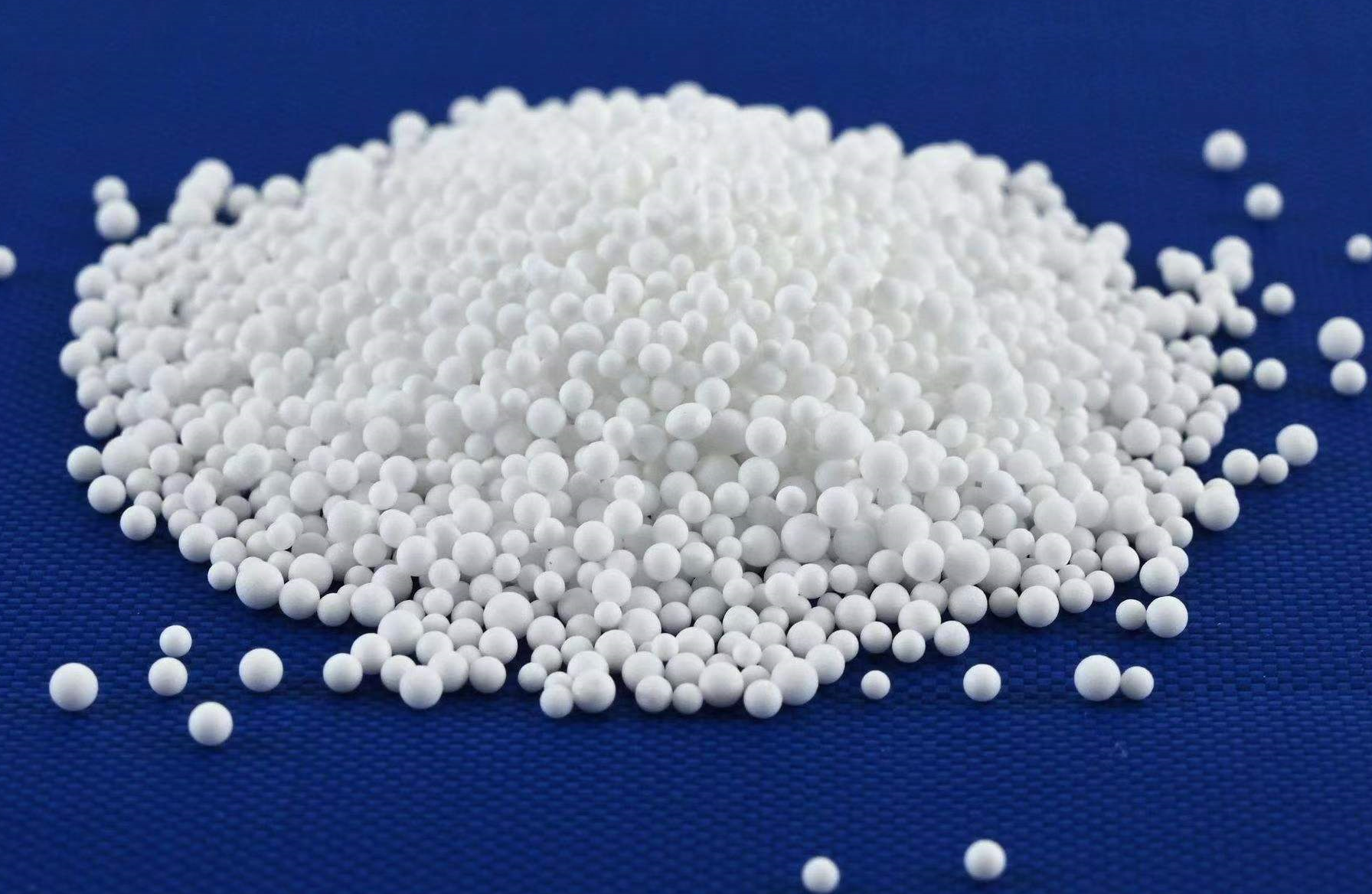
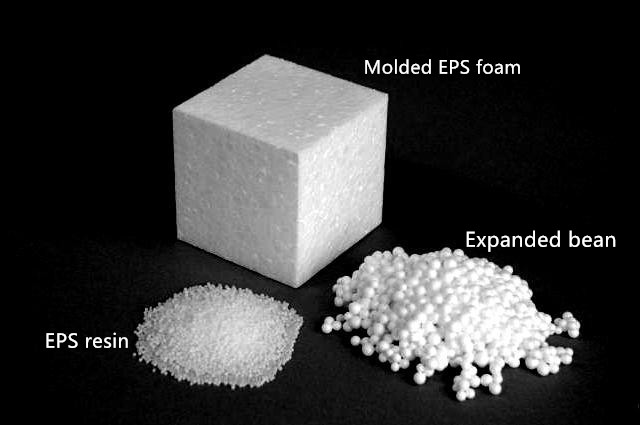
Expanded Polystyrene (EPS) is a lightweight, rigid, plastic foam insulation material produced from solid beads of polystyrene. The process of making EPS involves expanding the polystyrene beads with steam, causing them to fuse together into a solid material. This unique manufacturing process results in several key properties that make EPS an excellent choice for a wide range of applications, particularly in insulation, packaging, and construction. Here’s a closer look at the material properties of EPS:
Lightweight Nature
EPS is incredibly lightweight due to its high content of air—up to 98% of its volume can be air. This characteristic makes it easy to handle and install in various applications, from packaging to construction, without adding significant weight.
Insulation Properties
One of the most significant properties of EPS is its thermal insulation capability. The air trapped within the cells of EPS provides excellent thermal resistance, making it an effective insulator. This property is particularly beneficial in reducing energy costs for heating and cooling in buildings.
Compressive Strength
Despite its lightweight nature, EPS exhibits good compressive strength. The strength of EPS can be adjusted by altering the density of the material; higher density EPS has greater compressive strength. This makes it suitable for use in a range of structural applications where it needs to withstand loads, such as insulated concrete forms (ICFs).
Moisture Resistance
EPS is non-hygroscopic, which means it does not absorb water from the air. Its closed-cell structure also makes it highly resistant to water penetration. However, it’s important to note that prolonged exposure to water can lead to some water ingress, which may affect its insulating properties over time.
Chemical Resistance
EPS has a good resistance to many chemicals, including solvents, acids, and alkalis, making it suitable for use in environments where it may come into contact with such substances. However, it is susceptible to damage from certain organic solvents, so care should be taken in its application.
Environmental Impact
EPS is 100% recyclable, and its lightweight nature contributes to reduced emissions during transportation. The material is also free of CFCs and HCFCs, which are harmful to the ozone layer. Efforts are ongoing to improve the recyclability and reduce the environmental footprint of EPS production and disposal.
Durability
EPS is known for its durability. It does not degrade over time, and its insulating properties remain stable for the long term, making it a cost-effective insulation solution. It is also resistant to mold and mildew, contributing to a healthier indoor environment.
Fire Resistance
While EPS is flammable, it can be treated with fire retardants to reduce its flammability. These treatments can make EPS suitable for use in many building applications, though it’s essential to comply with local building codes and standards regarding fire safety.
Versatility
EPS can be molded into virtually any shape or size, making it incredibly versatile for various applications. It can be cut, shaped, and customized to fit specific requirements, whether for packaging delicate items or insulating buildings.
Compared to other insulation materials, EPS is cost-effective, offering good insulation properties at a lower price point. Its ease of installation and longevity further contribute to its overall cost efficiency.
In summary, EPS’s unique combination of properties—lightweight, excellent insulation capabilities, compressive strength, moisture resistance, and versatility—make it a preferred material for a wide range of applications. Its environmental impact is mitigated by its recyclability, although the industry continues to seek ways to further reduce its ecological footprint.
Suit for EPS machine
Photo

Leave a Message