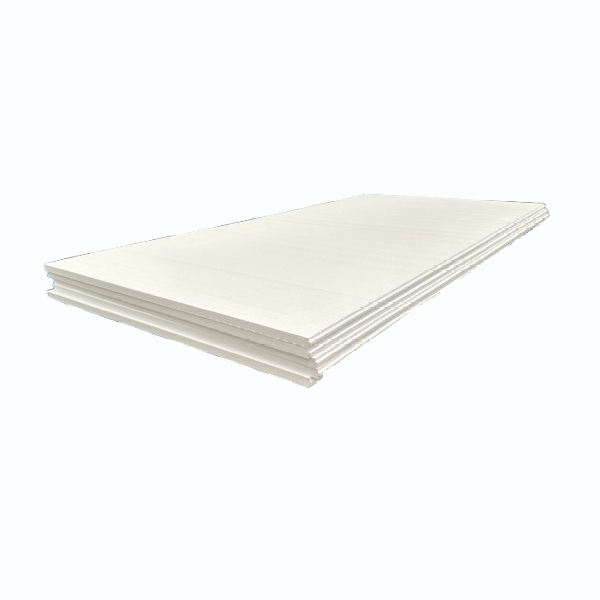

EPS Insulation panel for underfloor heating
EPS (Expanded Polystyrene) insulation panels for underfloor heating optimize system performance by minimizing heat loss, improving energy efficiency, and ensuring even heat distribution. Key features include high thermal insulation, moisture resistance, ease of installation, load-bearing capacity, and eco-friendliness. They are used in residential, commercial, and industrial settings. Installation involves preparing the subfloor, arranging the panels, installing heating elements, and adding the final flooring. Compatibility, insulation thickness, and environmental impact should be considered when choosing EPS panels.
Suit for EPS machine
Description
An EPS (Expanded Polystyrene) insulation panel for underfloor heating is a specialized construction product designed to optimize the performance of underfloor heating systems. These panels are made from EPS foam, a lightweight, yet durable material known for its excellent thermal insulation properties. EPS insulation panels are specifically engineered to work beneath underfloor heating systems, whether electric or hydronic, to minimize heat loss, improve energy efficiency, and ensure even heat distribution across the floor.
Key Features of EPS Insulation Panels
- Thermal Insulation: EPS panels have a high insulation value, effectively reducing heat loss to the subfloor and ensuring that the heat is directed upwards into the living space. This results in a more efficient heating system and lower energy costs.
- Moisture Resistance: While EPS is naturally resistant to moisture, many EPS insulation panels for underfloor heating are treated or come with a protective layer to enhance their moisture resistance, making them suitable for use in various environments, including damp areas.
- Ease of Installation: Lightweight and easy to cut, EPS panels can be quickly installed and easily shaped to fit any room layout. Some panels feature interlocking edges for seamless installation and to prevent thermal bridging.
- Load Bearing: High-density EPS panels are capable of bearing significant loads without compression, making them suitable for use under a wide range of final flooring materials.
- Eco-Friendly: EPS is 100% recyclable, and using it for underfloor heating insulation contributes to the overall energy efficiency of buildings. Many manufacturers now produce EPS panels using recycled material, further reducing the environmental impact.
Installation Process
- Preparation: Ensure the subfloor is clean, dry, and level. Any irregularities should be addressed before installation.
- Layout: Arrange the EPS panels according to the room’s dimensions and the underfloor heating system’s layout. For systems with heating pipes, ensure that the panels are compatible with the pipe dimensions.
- Installation of Heating Elements: Lay the heating pipes or cables on top of or within the grooves (if provided) of the EPS panels. Secure the heating elements as required to prevent movement during the pour of a screed or the installation of the final floor covering.
- Final Flooring: Once the heating elements are in place and tested, proceed with the installation of the final flooring material, ensuring it is compatible with underfloor heating.
Considerations
- Compatibility: Verify that the EPS insulation panels are compatible with the type of underfloor heating system being installed (electric or hydronic) and the final flooring material.
- Insulation Thickness: Choose the appropriate thickness of the EPS panels to meet the building’s thermal insulation requirements without unnecessarily raising the floor level.
- Environmental Impact: Consider the source of the EPS material and prioritize products made from recycled content to minimize the environmental footprint.
EPS insulation panels for underfloor heating offer a practical and efficient solution for enhancing the performance of underfloor heating systems. By providing excellent thermal insulation, facilitating easy installation, and supporting environmental sustainability, EPS panels help create comfortable, energy-efficient indoor environments suitable for a wide range of applications.
Photo

Leave a Message