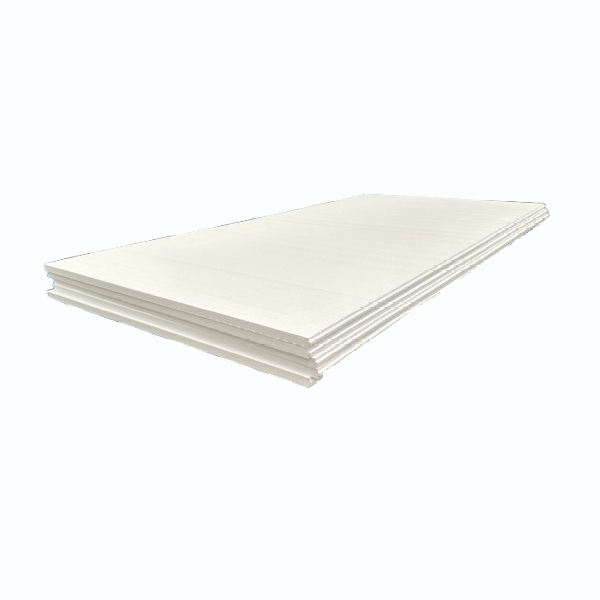
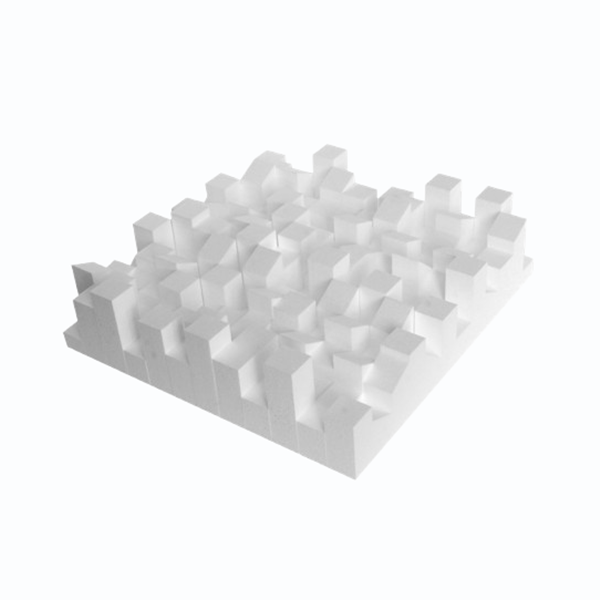
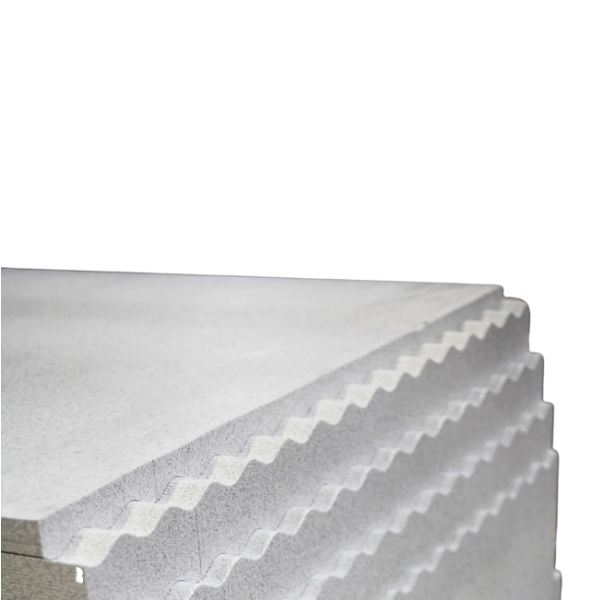
EPS Foam cement blocks
EPS foam cement blocks are innovative building materials that combine the lightweight and insulating properties of EPS foam with the strength of cement. They offer excellent thermal and sound insulation, and fire and moisture resistance, and are environmentally friendly due to their potential for recycling and energy-saving properties. These blocks are suitable for a wide range of construction applications, including residential and commercial buildings, and contribute to more sustainable, energy-efficient, and comfortable buildings.
Suit for EPS machine
Description
EPS (Expanded Polystyrene) foam cement blocks are innovative building materials that combine the lightweight and insulating properties of EPS foam with the strength and durability of cement. These composite blocks are used in construction for a variety of applications, including walls, floors, and roofing systems. The integration of EPS into cement blocks significantly enhances the thermal insulation, sound insulation, and fire resistance of the resulting product, making it an attractive option for modern, energy-efficient building designs.
Composition and Manufacturing
EPS foam cement blocks are made by mixing EPS beads with cement and sometimes other additives to improve strength, fire resistance, or other properties. The EPS beads are evenly distributed throughout the cement matrix, creating a lightweight yet structurally sound block. The manufacturing process typically involves pre-expanding the EPS beads, mixing them with cement and water, and then molding the mixture into blocks of various sizes and shapes, which are then cured to achieve the desired strength.
Key Features
- Lightweight: The inclusion of EPS foam significantly reduces the weight of the blocks, making them easier to handle and transport, and reducing the load on structural foundations.
- Thermal Insulation: EPS foam cement blocks offer excellent thermal insulation, helping to keep buildings warmer in winter and cooler in summer, and reducing energy costs for heating and cooling.
- Sound Insulation: The blocks provide good sound insulation, contributing to quieter indoor environments.
- Fire Resistance: When manufactured with fire-retardant additives, EPS foam cement blocks can achieve a high level of fire resistance.
- Moisture Resistance: The cement component makes the blocks resistant to moisture penetration, which is beneficial for durability and indoor air quality.
- Environmentally Friendly: The blocks can be produced with recycled EPS, and their insulating properties contribute to reduced energy consumption in buildings.
Installation and Use
EPS foam cement blocks can be installed using traditional construction techniques, with mortar applied between the blocks to bond them together. The lightweight nature of the blocks allows for faster construction times compared to traditional masonry. Finishing can be done with plaster, siding, or other standard materials, depending on the application and aesthetic requirements.
Environmental Considerations
While EPS foam cement blocks offer several environmental benefits, such as reduced energy consumption in buildings, it is important to consider the entire lifecycle of the product. The use of recycled EPS and the potential for recycling or repurposing the blocks at the end of their useful life can further enhance their sustainability profile.
EPS foam cement blocks represent a significant advancement in building materials, offering a combination of lightweight, insulating, and durable properties that make them suitable for a wide range of construction applications. Their use can contribute to more sustainable, energy-efficient, and comfortable buildings, aligning with modern construction standards and environmental goals.
Photo


Application
- Residential Construction: Used for constructing external and internal walls in houses and apartments, offering a quick and energy-efficient building solution.
- Commercial Buildings: Suitable for office buildings, schools, and other commercial structures where energy efficiency and sound insulation are important.
- Specialized Applications: Can be used in prefabricated or modular construction, as well as for constructing energy-efficient basements, garages, and storage facilities.
Leave a Message