EPS floor heat panels
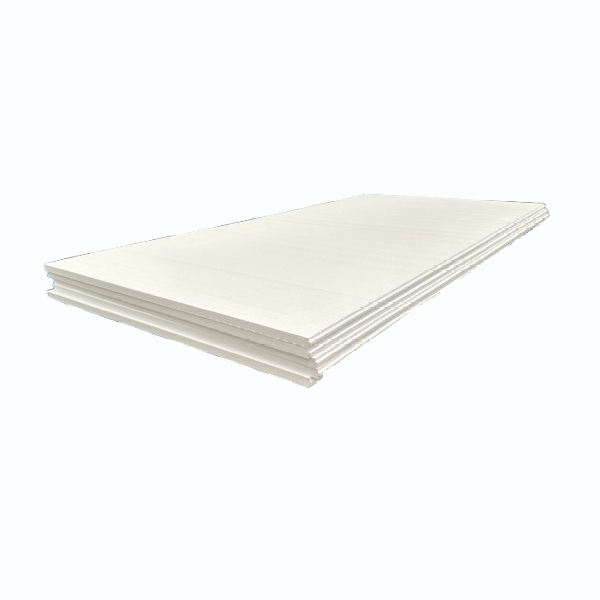
EPS (Expanded Polystyrene) floor heat panels are lightweight, thermally insulating, and moisture-resistant, making them an efficient solution for underfloor heating systems. They are easy to handle and customizable, offering flexible installation options. These panels are eco-friendly and can be used in residential, commercial, and industrial settings. The installation process involves preparing the subfloor, laying the panels, installing heating elements, and applying the final flooring. Considerations include floor height and compatibility with the final flooring material.
Suit for EPS machine
Description
EPS (Expanded Polystyrene) floor heat panels are an innovative solution designed to enhance the efficiency and effectiveness of underfloor heating systems. These panels, made from lightweight EPS foam, serve a dual purpose: they provide excellent thermal insulation and form a stable base for the installation of heating elements, such as hydronic (water-based) pipes or electric heating cables. EPS floor heat panels are widely used in residential, commercial, and industrial buildings to create comfortable, evenly heated spaces while minimizing energy consumption.
Key Features of EPS Floor Heat Panels
- Thermal Insulation: EPS foam has a high insulation value, significantly reducing heat loss to the subfloor and ensuring that more heat is directed upwards into the room. This results in a more efficient heating system and lower energy costs.
- Lightweight and Easy to Handle: The panels are extremely light, making them easy to transport, handle, and install, which can reduce labor costs and speed up the construction process.
- Moisture Resistance: EPS is inherently resistant to moisture, making these panels suitable for use in various environments, including damp areas or directly on concrete slabs.
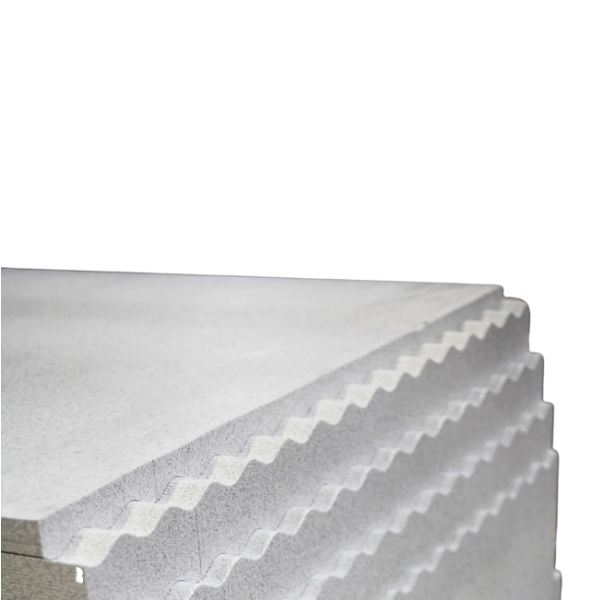
- Customizable: EPS panels can be easily cut and shaped on-site to fit any room layout and accommodate obstacles, allowing for flexible installation options. Some panels come with pre-formed channels or grooves for easy placement of heating pipes or cables.
- Eco-Friendly: EPS is 100% recyclable, and using it for underfloor heating insulation contributes to the overall energy efficiency of buildings. Many manufacturers now produce EPS panels using recycled material, further reducing the environmental impact.
Installation Process
- Preparation: Ensure the subfloor is clean, dry, and level. Any irregularities should be addressed before laying the EPS panels.
- Laying the Panels: Arrange the EPS panels according to the room’s dimensions and the underfloor heating system’s layout. For systems with heating pipes, ensure that the panels are compatible with the pipe dimensions.
- Installing Heating Elements: Lay the heating pipes or electric cables on top of or within the grooves (if provided) of the EPS panels. Secure the heating elements as required to prevent movement during the pour of a screed or the installation of the final floor covering.
- Applying the Final Flooring: Once the heating elements are in place and tested, proceed with the installation of the final flooring material, ensuring it is compatible with underfloor heating.
Considerations
- Floor Height: The thickness of the EPS panels will contribute to the overall height of the finished floor, which may be a consideration in renovations or where ceiling height is limited.
- Compatibility with Flooring: It’s important to ensure that the EPS panels and the underfloor heating system are compatible with the chosen final flooring material to avoid issues with heat transfer or flooring stability.
EPS floor heat panels offer an effective and efficient solution for installing underfloor heating systems, providing excellent thermal insulation, ease of installation, and compatibility with various flooring types. Their use not only enhances the comfort of indoor spaces but also contributes to energy savings and sustainability in construction projects.
Application
EPS floor heat panels are used in a variety of settings to enhance underfloor heating systems, including:
- Residential Homes: Ideal for providing comfortable, evenly distributed heat in living rooms, bathrooms, kitchens, and bedrooms.
- Commercial Spaces: Used in offices, retail spaces, and other commercial buildings where energy efficiency and comfort are important.
- Industrial Applications: Suitable for industrial settings where maintaining consistent temperatures is crucial, and energy efficiency is a priority.


Leave a Message