EPS building panels
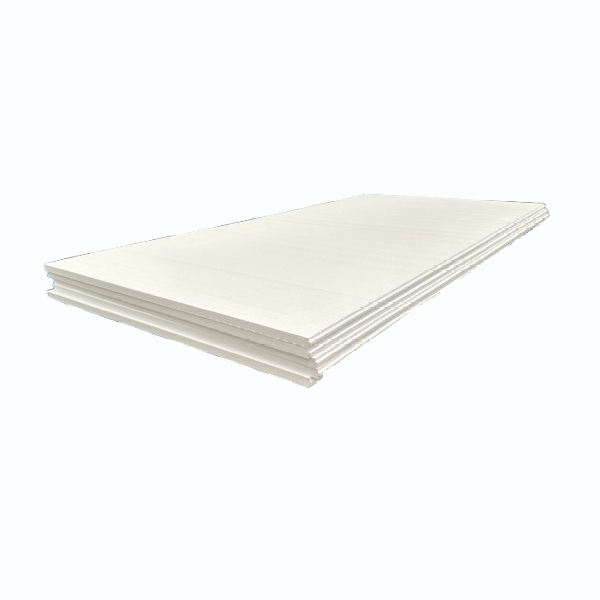
EPS (Expanded Polystyrene) building panels are a versatile construction material known for their thermal insulation, lightweight nature, moisture resistance, and cost-effectiveness. They are used in residential, commercial, and industrial construction projects. The panels consist of an EPS foam core sandwiched between two structural facings. They contribute to energy-efficient construction practices, despite being a petroleum-based product, and are recyclable.
Description
EPS (Expanded Polystyrene) building panels are a versatile and efficient construction material widely used in the construction industry for a variety of applications, including walls, roofs, floors, and foundations. Made from lightweight EPS foam, these panels are known for their excellent thermal insulation properties, ease of installation, and cost-effectiveness. EPS building panels are utilized in both residential and commercial construction projects to enhance energy efficiency, structural integrity, and to speed up the construction process.
Construction and Composition
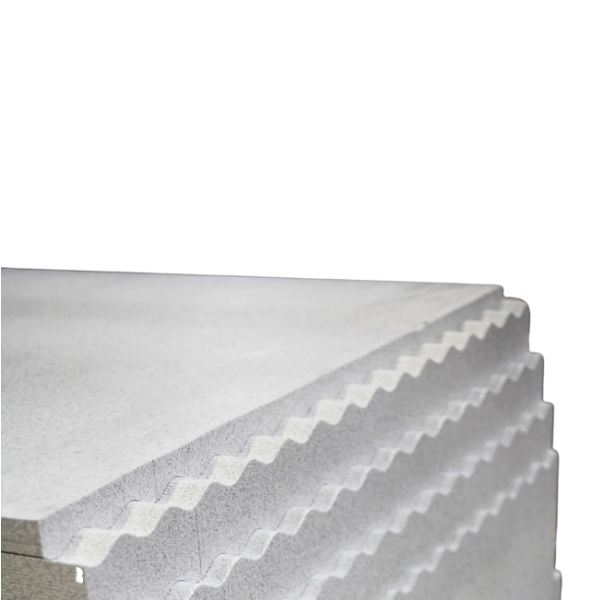
EPS building panels typically consist of a core of EPS foam that may be sandwiched between two structural facings. These facings can be made from a variety of materials, including steel sheets, oriented strand board (OSB), fiber cement, or plasterboard, depending on the specific application and required performance characteristics.
Key Features of EPS Building Panels
- Thermal Insulation: EPS foam provides outstanding thermal insulation, helping to maintain consistent indoor temperatures and reduce energy costs for heating and cooling.
- Lightweight: The panels are exceptionally light, making them easy to transport and handle on construction sites, which can significantly reduce labor costs and construction time.
- Moisture Resistance: EPS is inherently resistant to moisture absorption, which helps to prevent mold and mildew growth within the building envelope.
- Ease of Installation: EPS panels can be quickly and easily installed, allowing for faster construction times compared to traditional building methods.
- Structural Strength: When combined with structural facings, EPS panels can offer sufficient load-bearing capacity for a wide range of construction applications.
- Cost-Effective: The combination of quick installation, reduced labor costs, and improved energy efficiency makes EPS building panels a cost-effective solution for many construction projects.
- Versatility: These panels can be used in a variety of construction applications, including exterior walls, interior partitions, roofing systems, and as insulation for floors and foundations.
Applications
EPS building panels are suitable for a wide range of construction projects, such as:
- Residential Housing: Used in the construction of energy-efficient homes, including single-family houses and multi-story apartment buildings.
- Commercial Buildings: Ideal for constructing offices, retail spaces, and other commercial structures where energy efficiency and quick construction are important.
- Industrial Facilities: Utilized in warehouses, factories, and other industrial buildings for their insulation properties and ease of installation.
- Renovations and Retrofitting: EPS panels can be used to add insulation and improve the energy efficiency of existing buildings.
Installation Process
The installation of EPS building panels typically involves the following steps:
- Preparation: Ensuring the site or existing structure is ready to receive the panels.
- Placement: Positioning the panels according to the building’s design. This process is often quick due to the lightweight nature of the panels.
- Securing Panels: Fastening the panels to the foundation, to each other, and to the building structure, often using screws, bolts, or adhesives.
- Sealing Joints: Applying sealant or adhesive tape to the joints between panels to ensure airtightness and moisture resistance.
- Finishing: Applying exterior and interior finishes to the panels, such as siding, plaster, or drywall.
Environmental Considerations
EPS is a petroleum-based product, but its use in building panels contributes to the energy efficiency of buildings, potentially offsetting its environmental impact over the life of the structure. Furthermore, EPS is recyclable, and efforts are being made to improve recycling rates and reduce waste associated with EPS products.
EPS building panels offer a practical and efficient solution for modern construction needs, providing significant benefits in terms of insulation, speed of construction, and overall cost savings. Their versatility and performance make them a popular choice for a wide range of building projects, contributing to more sustainable and energy-efficient construction practices.
Suit for EPS machine
Photo


Leave a Message