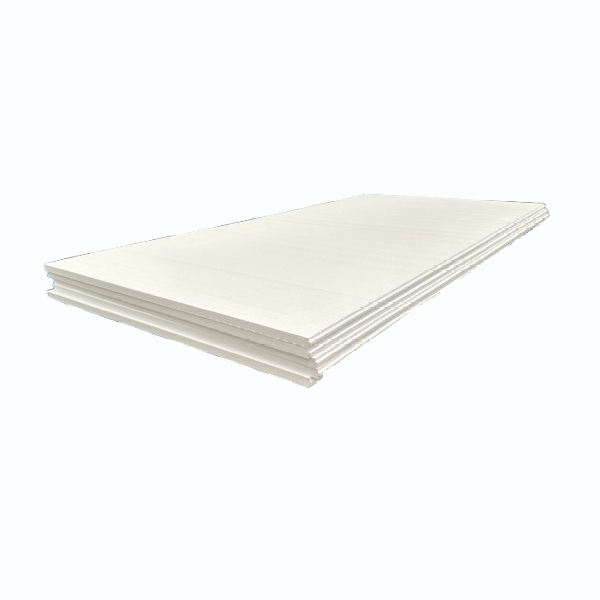

EIFS exterior insulation finish system
Exterior Insulation and Finish System (EIFS) is a multi-layered wall cladding system used in construction for insulation, weatherproofing, and decorative purposes. It comprises an insulation board, a base coat, reinforcing mesh, and a finish coat. EIFS enhances energy efficiency, durability, design flexibility, and overall building performance. It also offers cost-effectiveness, improved indoor comfort, reduced environmental impact, and versatile applications, making it suitable for various types of substrates and both new and renovation projects.
Suit for EPS machine
Description
EIFS, or Exterior Insulation and Finish System, is a multi-layered exterior wall cladding system used in both residential and commercial construction to provide insulation, weatherproofing, and decorative finishes. It consists of several components that work together to create a seamless and energy-efficient exterior envelope. Here are the key components and features of EIFS:
Components of EIFS:
- Insulation Board: The core component of EIFS is the insulation board, typically made of expanded polystyrene (EPS) foam, which is attached to the exterior wall substrate using adhesive or mechanical fasteners. The insulation board provides thermal insulation, improving the energy efficiency of the building.
- Base Coat: A base coat of polymer-modified cementitious material is applied over the insulation board to provide strength, flexibility, and adhesion. This base coat also serves as a bonding agent for the reinforcing mesh.
- Reinforcing Mesh: A layer of fiberglass or synthetic mesh is embedded into the wet base coat to provide tensile strength and crack resistance. The mesh helps distribute stresses and prevents cracking in the EIFS system.
- Finish Coat: The finish coat is the outermost layer of the EIFS system and is available in a variety of textures, colors, and finishes, including smooth, textured, and aggregate. It protects the underlying layers from weathering and provides the desired aesthetic appearance.
Features of EIFS:
- Energy Efficiency: EIFS improves the thermal performance of buildings by providing continuous insulation across the exterior walls, reducing heat loss in winter and heat gain in summer. This helps lower energy consumption and utility costs.
- Durability: EIFS is resistant to water penetration, impact damage, and UV degradation when properly installed and maintained. It can withstand harsh weather conditions, such as rain, wind, and temperature fluctuations, ensuring long-term performance and longevity.
- Design Flexibility: EIFS offers architects and designers flexibility in creating aesthetically pleasing facades with various textures, shapes, and architectural details. It can replicate the appearance of traditional stucco, brick, stone, or other finishes at a fraction of the cost.
- Seamless Appearance: EIFS provides a seamless and monolithic finish across the exterior walls, eliminating joints and seams that can be vulnerable to water infiltration and air leakage. This creates a clean and uniform appearance, enhancing the overall aesthetic of the building.
- Lightweight Construction: EIFS is lightweight compared to traditional masonry and concrete cladding systems, reducing structural loads and allowing for easier handling and installation.
- Sound Insulation: While primarily designed for thermal insulation, EIFS also offers some degree of sound insulation, reducing the transmission of noise from outside to inside the building and vice versa.
Benefits of EIFS:
- Improved Indoor Comfort: By reducing thermal bridging and air infiltration, EIFS helps maintain more consistent indoor temperatures, enhancing occupant comfort and reducing drafts.
- Reduced Environmental Impact: EIFS can contribute to sustainable building practices by improving energy efficiency and reducing greenhouse gas emissions associated with heating and cooling.
- Cost-Effectiveness: EIFS is often more cost-effective than traditional cladding systems due to its lightweight construction, simplified installation process, and lower material costs.
- Enhanced Building Performance: EIFS can contribute to achieving green building certifications, such as LEED (Leadership in Energy and Environmental Design), by improving energy efficiency and overall building performance.
- Versatile Applications: EIFS can be applied to various types of substrates, including concrete, masonry, wood, and metal, making it suitable for both new construction and renovation projects.
EIFS is a versatile and cost-effective exterior cladding system that offers numerous benefits, including energy efficiency, durability, design flexibility, and enhanced building performance. Whether used in residential, commercial, or institutional buildings, EIFS provides an attractive and functional solution for achieving both aesthetic and functional goals.
Photo

Leave a Message