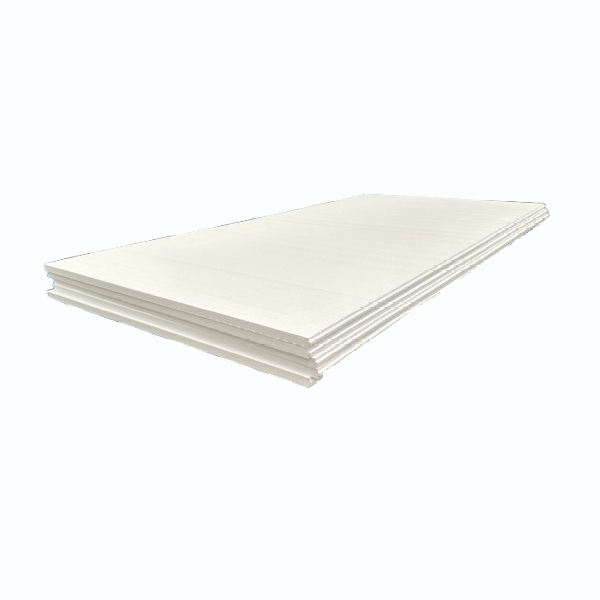
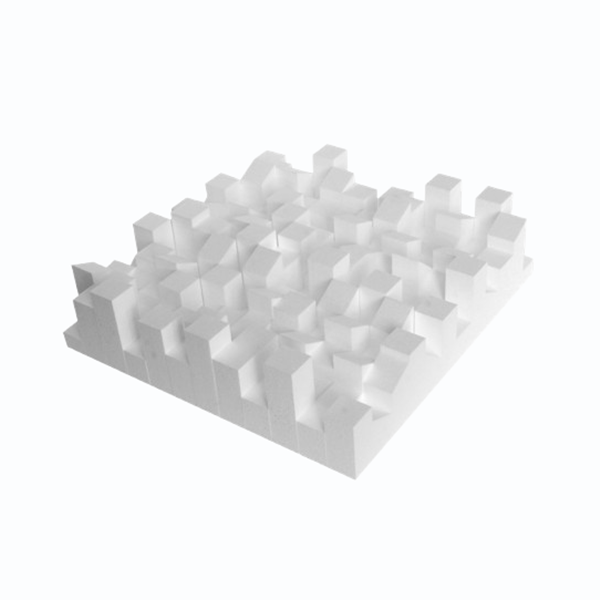
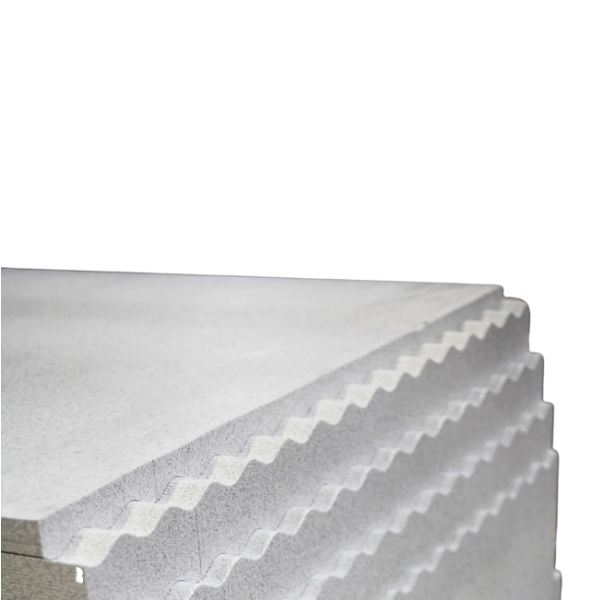
Agriculture hydroponics EPS flower pod
Agriculture hydroponics EPS (Expanded Polystyrene) flower pods are lightweight, durable, and cost-effective solutions for hydroponic plant cultivation. They offer excellent insulation properties, can be customized to fit various hydroponic systems, and are recyclable. They are used in commercial greenhouses, home gardens, and educational projects. However, considerations include the need for regular cleaning and sterilization, the environmental impact of EPS, and compatibility with specific plants and hydroponic systems.
Suit for EPS machine
Description
An agriculture hydroponics EPS (Expanded Polystyrene) flower pod is an innovative solution designed for the hydroponic cultivation of flowers and other plants. Hydroponics, a method of growing plants without soil, uses nutrient-rich water solutions to feed plants, and EPS flower pods serve as the structural support for the plants in these systems. These pods are particularly popular in commercial and hobbyist hydroponic setups due to their lightweight nature, excellent insulation properties, and versatility.
Features and Benefits of EPS Flower Pods
- Lightweight and Durable: EPS is extremely light, making it easy to handle and modify for various hydroponic systems. Despite its weight, EPS is durable enough to support the weight of plants and the moisture from the hydroponic solution without degrading.
- Insulation: EPS has excellent thermal insulation properties, which can help in maintaining consistent water temperatures within the hydroponic system. This is particularly beneficial for temperature-sensitive plants.
- Cost-Effective: Compared to other hydroponic growing mediums and supports, EPS is relatively inexpensive and readily available, making it an economical choice for large-scale and small-scale growers alike.
- Customizable: EPS can be easily cut and shaped into various sizes and designs to fit different hydroponic systems, including NFT (Nutrient Film Technique), DWC (Deep Water Culture), and aeroponic systems.
- Sustainability: While EPS is a type of plastic, it is recyclable, and its durability means it can be reused for multiple growing cycles before needing replacement.
Applications
EPS flower pods are used in a variety of hydroponic applications, including:
- Commercial Greenhouses: Large-scale commercial growers use EPS pods to efficiently produce high yields of flowers and other plants in controlled environments.
- Home Gardens: Hobbyists and home gardeners utilize smaller EPS pods for indoor hydroponic systems, growing herbs, flowers, and small vegetables.
- Educational Projects: Schools and educational programs use EPS hydroponic systems as a tool for teaching students about plant biology and sustainable agriculture practices.
Design and Use
EPS flower pods are typically designed with holes or slots to hold plants. The roots of the plants extend into the hydroponic solution below, allowing for direct access to water and nutrients. The design of the pod will depend on the specific hydroponic system being used:
- For NFT systems, long, channel-like EPS pods can be used to support a continuous flow of nutrient solution over the roots.
- In DWC systems, larger EPS platforms float directly on the nutrient solution, with plants spaced out across the surface.
- For aeroponic systems, EPS pods can be designed to hold plants above the nutrient solution, with the roots suspended in air and periodically misted with nutrients.
Maintenance and Considerations
While EPS flower pods offer many benefits, there are some considerations for their use:
- Cleaning and Sterilization: Between growing cycles, it’s important to thoroughly clean and sterilize EPS pods to prevent the spread of pathogens.
- Environmental Impact: Consider the environmental impact of using EPS and look for recycling programs or ways to repurpose used pods.
- Compatibility: Ensure that the design of the EPS pod is compatible with the specific plants being grown and the type of hydroponic system in use.
Agriculture hydroponics EPS flower pods are a versatile and efficient option for supporting plant growth in hydroponic systems. Their insulation properties, durability, and cost-effectiveness make them suitable for a wide range of hydroponic applications, from commercial production to home gardening.
Photo


Leave a Message